As Korea's downturn stretches on, retro marketing has swept through retail. It offers consumers familiarity and psychological refuge, and offers companies something more practical: minimized R&D cost and failure risk versus launching new products.
Today's retro runs on deliberate cheapness
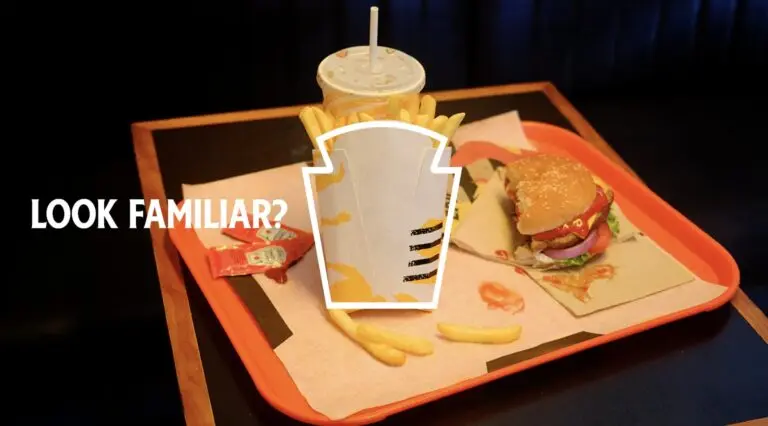
The current wave goes beyond straight reissues, fusing nostalgia with a knowingly tacky, B-grade sensibility.
- Burger King built a "neighborhood diner" vibe with flyers set in an archaic Korean serif typeface
- BYC packaged product like a CRT television for an "80th birthday party" theme
The humor borrows meme culture to give older consumers nostalgia and younger ones a new form of play.
Heritage extended into experience
Brands are also extending accumulated heritage into pop-up stores and limited-edition goods.
- Dong-A Pharmaceutical's Bacchus: a limited 63rd-anniversary reissue edition
- Lotte Wellfood's Dwaeji-bar: a pop-up store
Attaching experiential content to proven long-lived brands drives thumb-stopping on mobile while creating cross-generational recognition.
Why retro suits a downturn
Two calculations converge.
On the consumer side, familiarity becomes refuge for people worn down by economic pressure. Not having to learn something new is itself a benefit.
On the company side, the risk profile differs. A new product carries both R&D cost and the chance of failure; reaching for an asset whose recognition is already proven costs far less when it misses. The tighter budgets get, the better that math looks.
One caveat: heritage is an asset only brands that have some can use. A young brand borrowing retro codes reads as trend-chasing without context. The B-grade register depends on a brand's willingness to make itself the joke, and without tight tonal control, consumers can read it as contempt rather than humor.
For comparable moves abroad, see Why FX Rebuilt a Mall in 1980s Form and Oscar Mayer Marks the Wienermobile's 90th With a Hot Dog Cake.