YouTube is arguably the most influential platform in the world, with various studies underlining its popularity and presence in virtually every demographic group.
Trends stemming from YouTube increasingly bleed into every other media element, and people now consume YouTube content the same way they watch traditional TV shows — further solidifying its position.
That reach can help brands connect with their target audience and increase exposure for products and services. Here are seven steps for building an effective YouTube presence.
1. Research industry trends
Find what is trending on YouTube by visiting Google Trends, entering your key term and filtering by YouTube Search.
This provides perspective on overall search interest, related terms and rising queries for any given topic. From there, build a broader view of what YouTube viewers are interested in and align brand content accordingly.
2. Find relevant creators
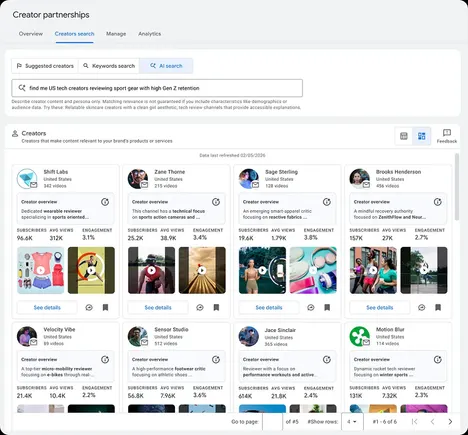
Brands can use the search feature in YouTube's creator partnerships tool, available via YouTube Studio, to research the top creators in any niche.
The tool facilitates keyword and conversational searches, powered by Google's Gemini AI model. It offers more ways to match the right creators to a campaign and includes data on subscriber counts and engagement.
3. Research what's working
From those notes, dig into the specific content and creators to see what they are posting about.
Brands can also discover which content formats creators are using and what is resonating best.
4. Use Shorts
Given the rising popularity of Shorts in the app, brands wanting to maximise YouTube exposure will want to use them.
Short-form videos are especially focused on showcasing attention-grabbing content, so brands may want to partner with relevant creators to ensure they reach the right Shorts audience.
YouTube has also provided tips on creating Shorts, which may help brands produce their own engaging short-form content.
5. Consider YouTube shopping
YouTube wants to increase in-app shopping-related activity. Its shopping affiliate program is therefore another consideration.
Marketers can connect their stores to YouTube, which then allows creators to tag branded products in clips.
Content and commerce meet on the same screen — opening a path from creator collaboration to sales rather than stopping at awareness.
6. Formulate a strategy
After laying the groundwork, build a larger YouTube content strategy on a data-backed approach that leans into the latest trends in your niche.
7. Analyse and improve
Once the strategic approach is in place, use YouTube insights in YouTube Studio to examine what is and is not working, and build on your best approaches.
Practical notes
Treat the YouTube filter in Google Trends as separate research. Web search trends and YouTube search trends diverge. Even for identical keywords, what people want on YouTube is usually content that shows rather than tells.
Use the creator partnerships tool before committing. Rather than searching for creators after deciding to run an influencer campaign, mapping the niche first makes the decision itself better informed.
Assign Shorts and long-form different jobs. Shorts capture attention; long-form earns the TV-style watch time. Uploading the same material at two lengths leaves both underpowered.
Watch the paid inventory changes alongside it. Organic presence and paid placements reinforce each other on the same platform — see Google Publishes Its First Dedicated YouTube Audio Ads Guide and Google Ads API v25: YouTube Shorts Engagement Metrics and a Loyalty Retention Goal.
Build recurring formats rather than individual videos. Reacting to trends does not compound — a principle covered in The New Fundamentals of Social Brand Strategy: The Unit of Value Is the Recurring Format, Not the Post.