GoogleSearch Engine Land
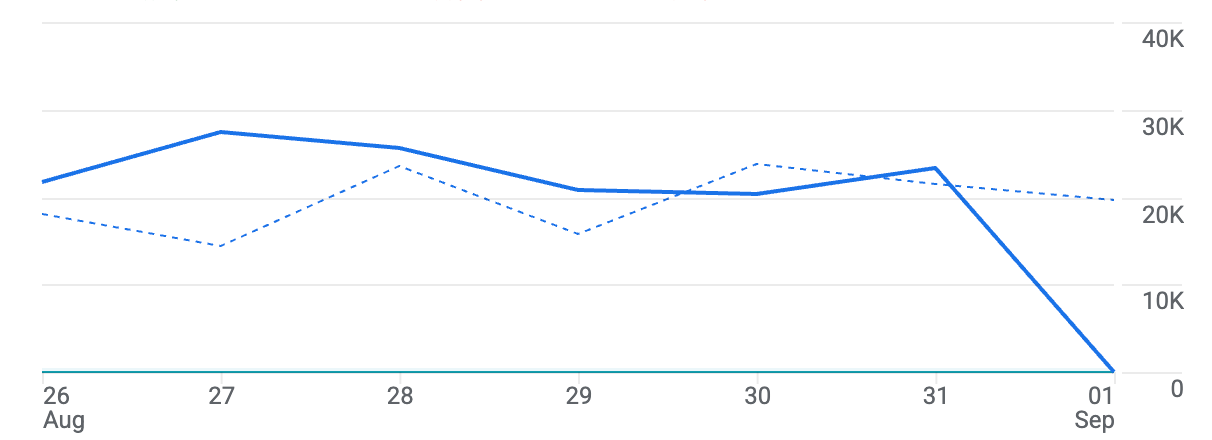
Google Analytics Showed Zero Traffic for Sept. 1 — It's Not Your Site
A widespread GA4 bug left Sept. 1, 2026 data missing across accounts. What to check and what not to do while Google Analytics data is missing.
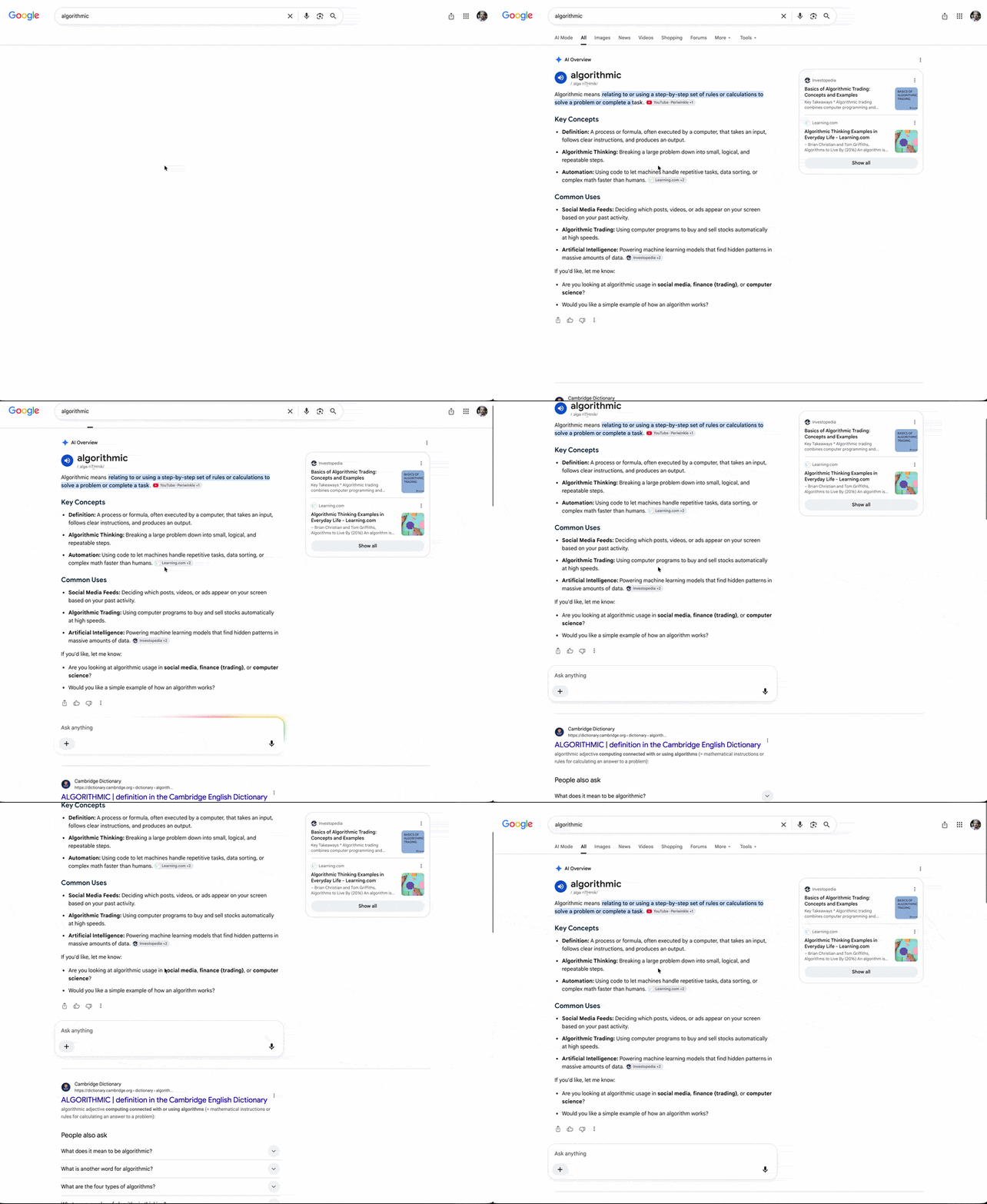
Google has confirmed that for some queries AI Overviews may dynamically expand to their full state, replacing the snippet with a full detailed response. AI Overview expansion removes the "Show more" button and also pushes down the core search results people could previously see without scrolling.
Google's results now look more like a full AI answer — closer to how AI Mode works than how Google has typically shown AI responses within Search.
For some queries, Google fully expands the AI Overview response so there's no need to click "Show more."
If users have already begun scrolling to view content below the AI Overview, Google cancels the expansion so the user doesn't lose their reading position.
A Google spokesperson said: "For some queries, AI Overviews may dynamically expand for topics where our systems determine it's most useful for people."
Google added: "Our research has shown that with this dynamic experience, users find Search more helpful and engage deeper in follow-up exploration."
Chris Long, who spotted it first, posted on X: "Holy moly SEOs: Google is now revealing the AI Mode prompt box BY DEFAULT for some queries. This is how Google continues to push AI Mode as the default search experience."
If you thought AI Overviews take away clicks, wait until this rolls out to your queries. It should lead to fewer and fewer clicks from Google Search.
Google earlier this week added link carousels for developing topics to AI Mode, as it did for AI Overviews. But it's doubtful that helps much for most queries showing a fully expanded answer.
Google did not comment on what percentage of queries this impacts or whether it will expand further over time — though it's reasonable to assume it will. The expectation that AI Mode eventually takes over Google Search has been building, and Google has been taking steps in that direction, including swapping in Gemini 3.8 Flash after just two weeks.
Start by separating where clicks survive from where they don't. Sorting keywords into click, answer-only and community-owned buckets becomes genuinely operational here. Continuing to write thin pages for answer-only queries is now clearly a loss.
And since impressions no longer convert into clicks, you need a baseline that measures citation itself as an outcome. Staying inside the answer and receiving a click have become different jobs.
Google only said 'topics where our systems determine it's most useful for people,' and declined to state what share of queries are affected or whether it will expand further.
If a user has begun scrolling to content below the AI Overview, Google cancels the expansion so the reading position isn't lost.
Separate queries where clicks survive from queries that end in an answer, and stop writing thin pages for the latter. Then establish a baseline that measures citation rather than clicks.
To apply what you just read to your own site, start with a free audit of where things are now.
A strategist replies within 24 hours on business days.
A widespread GA4 bug left Sept. 1, 2026 data missing across accounts. What to check and what not to do while Google Analytics data is missing.
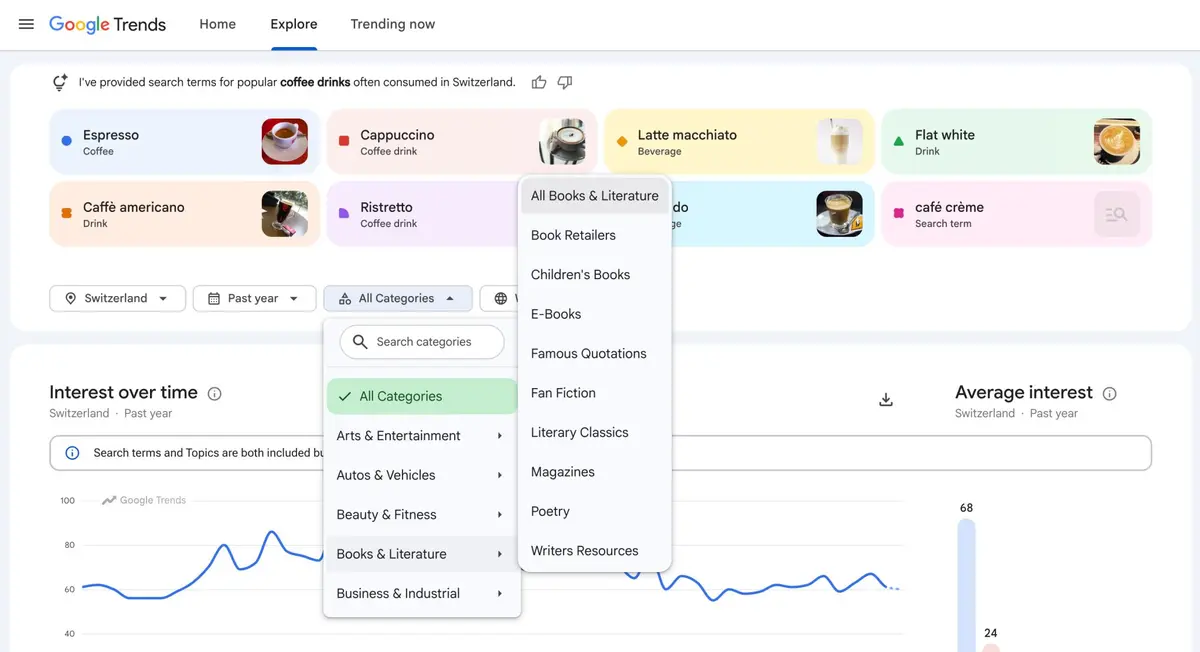
Google Trends can now filter the Explore page by category with no query entered. How to use it for topic discovery and, more usefully, for cutting noise.
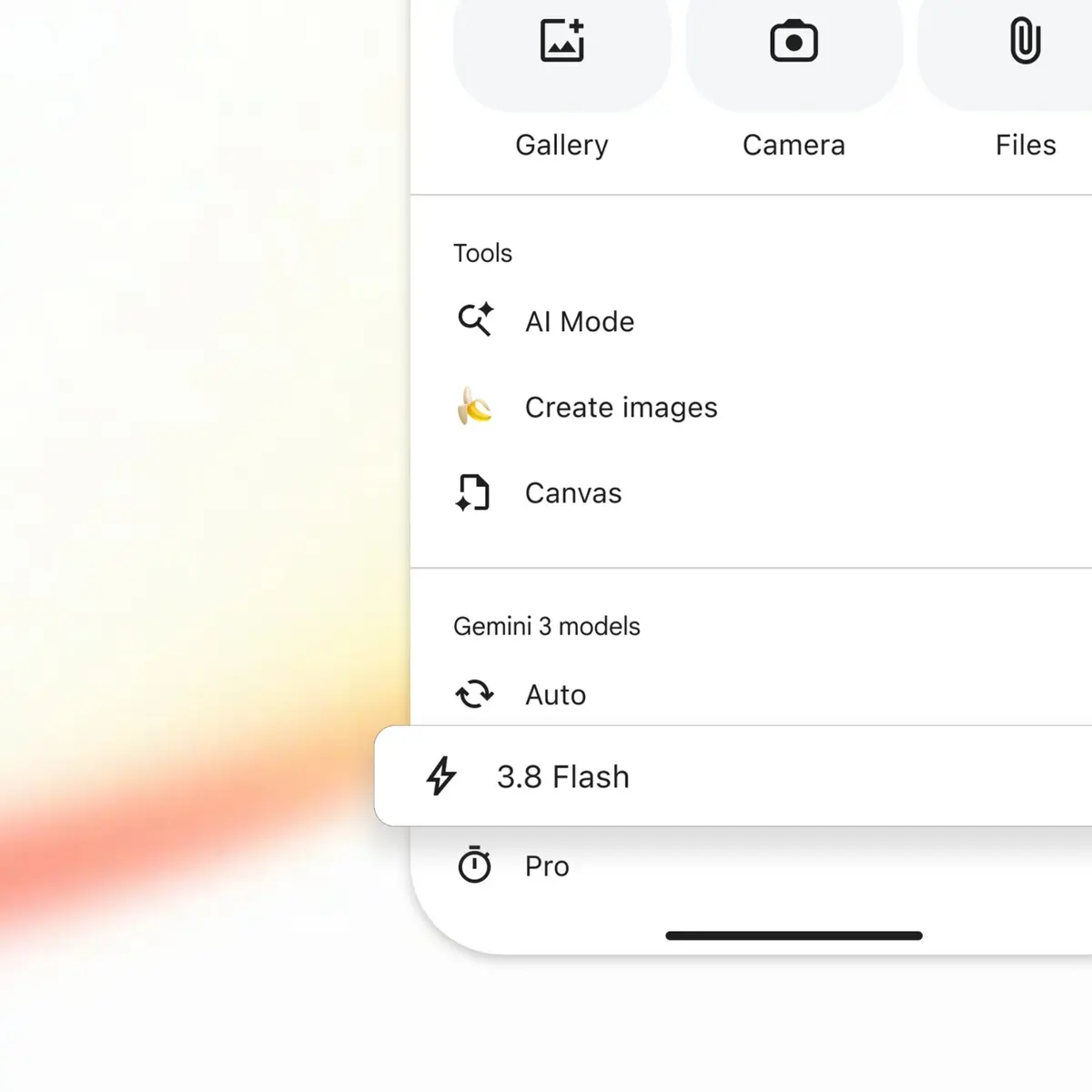
Google upgraded AI Mode to Gemini 3.8 Flash barely two weeks after 3.7. What the shrinking model swap cycle in Google AI Mode means for how you measure visibility.