GoogleSearch Engine Land
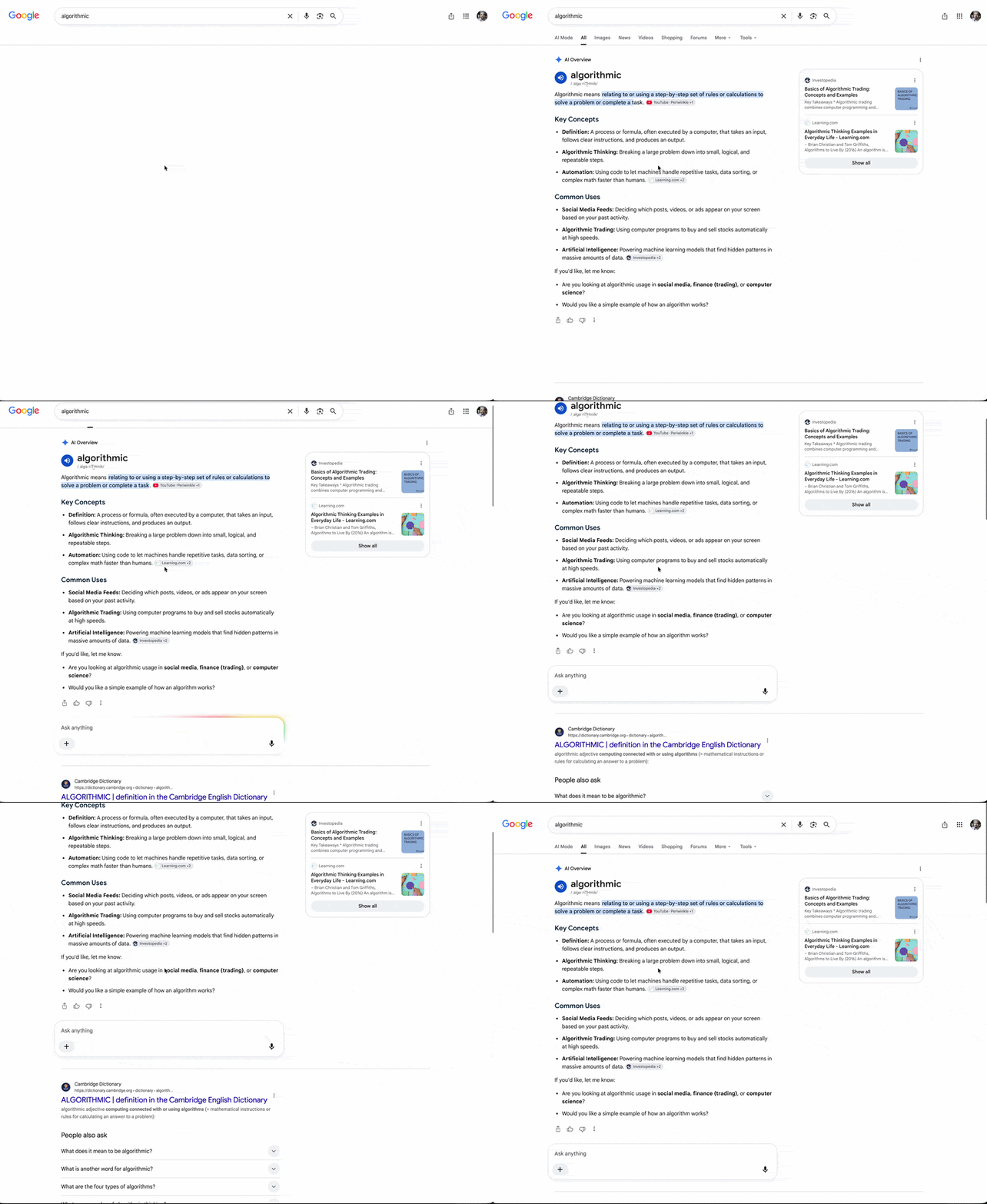
Google Is Auto-Expanding AI Overviews — Pushing Search Results Further Down
For some queries, AI Overviews now expand fully without a 'Show more' click. What that does to clicks and how to respond.
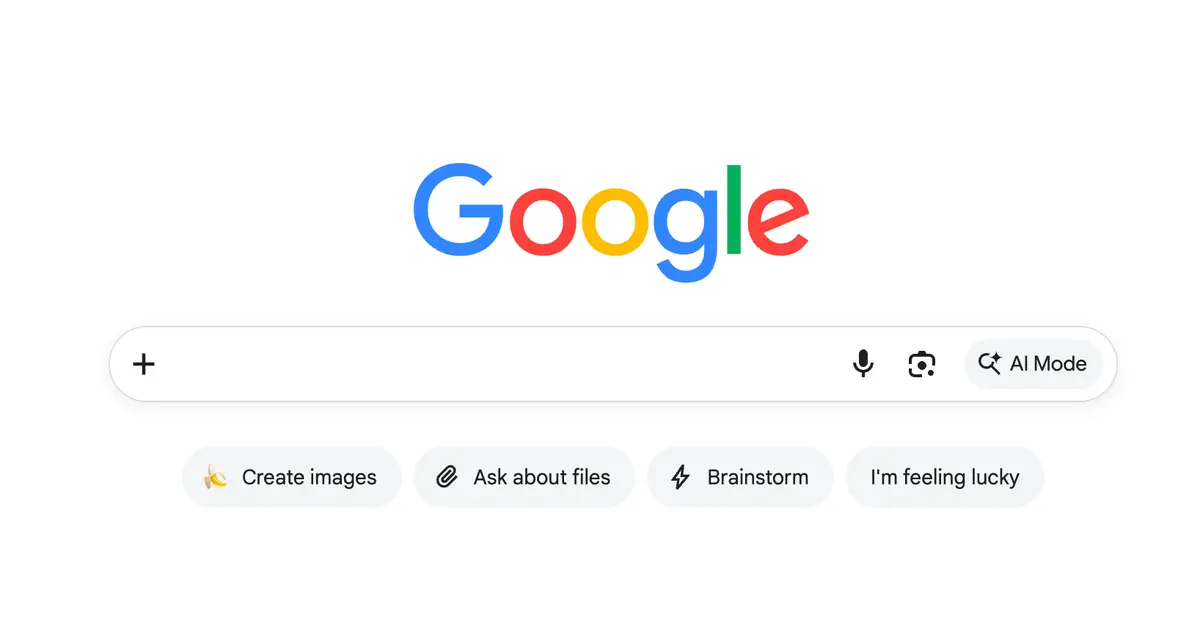
Google is testing three buttons directly beneath the search box on its home page: create images, ask about files, and brainstorm. Clicking any of them drops the user into AI Mode. The same features already exist behind the "+" icon on the left side of the search box.
Google confirmed the experiment. Robby Stein, VP of Product, wrote on X that it is "a small test on desktop to help people find new things they can do with Search," adding there is "no impact to how the core search box works — just add your question and hit enter as usual (which is how most people search anyways!)."
If the test expands, the discovery path into AI Mode changes. Until now AI Mode has been a secondary destination reached through a tab switch or the "+" menu. Buttons on the home page put entry into the default line of sight.
There is a plausible counterargument. Like the "I'm Feeling Lucky" button that most users have ignored for two decades, these buttons may simply be trained out of view — and Google itself notes that most people just type and hit enter.
First, track AI Mode-originated sessions separately. Traditional SERP impressions and citations inside AI answers are different performance objects; a layered measurement approach is laid out in A 5-Layer Framework for Measuring AI Search Performance.
Second, note what the three buttons actually invite: generation and processing tasks, not information retrieval. As that usage grows, a share of informational queries gets consumed without a link click. On what makes a page more likely to be cited, see 76% of ChatGPT's Top-Cited Pages Were Updated Within 30 Days.
Third, this is a limited desktop test, so there is no need to react hard today. But baselines have to be collected now if you want to detect the moment AI Mode traffic share starts to move.
Create images, ask about files, and brainstorm. They appear under the search box and open AI Mode; the same features already sit behind the "+" icon beside the search box.
Yes. VP of Product Robby Stein confirmed on X that it is a small desktop test and said it does not change how the core search box works.
Separate AI Mode-originated traffic into its own baseline metric, and prepare for more queries being satisfied without a click by keeping content citation-friendly and regularly updated.
To apply what you just read to your own site, start with a free audit of where things are now.
A strategist replies within 24 hours on business days.
For some queries, AI Overviews now expand fully without a 'Show more' click. What that does to clicks and how to respond.
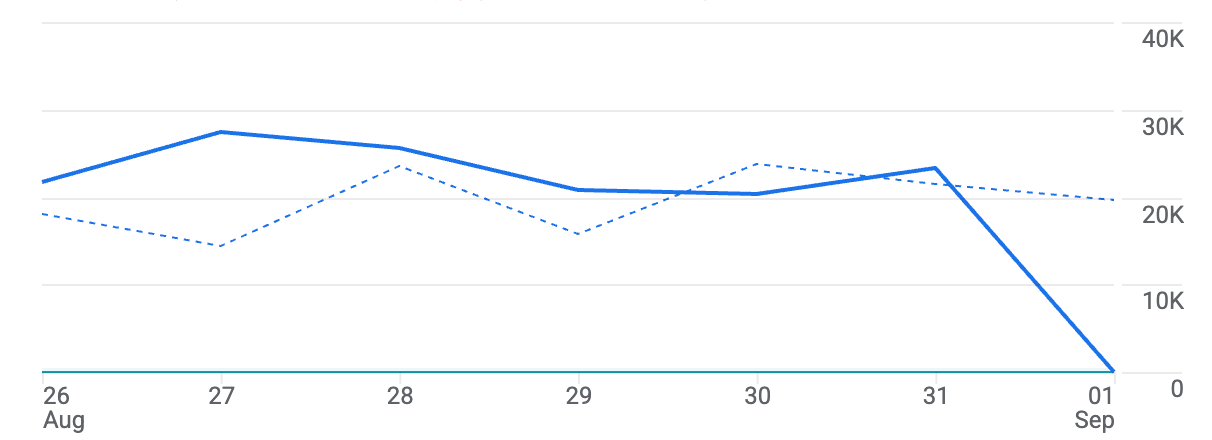
A widespread GA4 bug left Sept. 1, 2026 data missing across accounts. What to check and what not to do while Google Analytics data is missing.
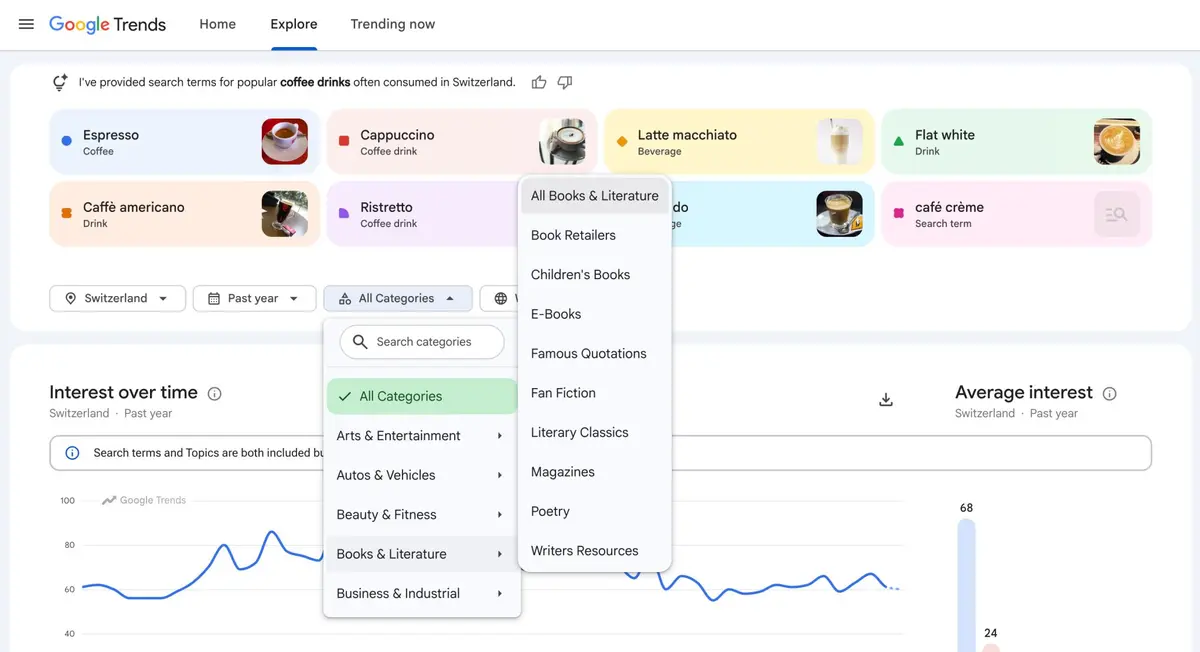
Google Trends can now filter the Explore page by category with no query entered. How to use it for topic discovery and, more usefully, for cutting noise.