GoogleSearch Engine Land
Google Is Auto-Expanding AI Overviews — Pushing Search Results Further Down
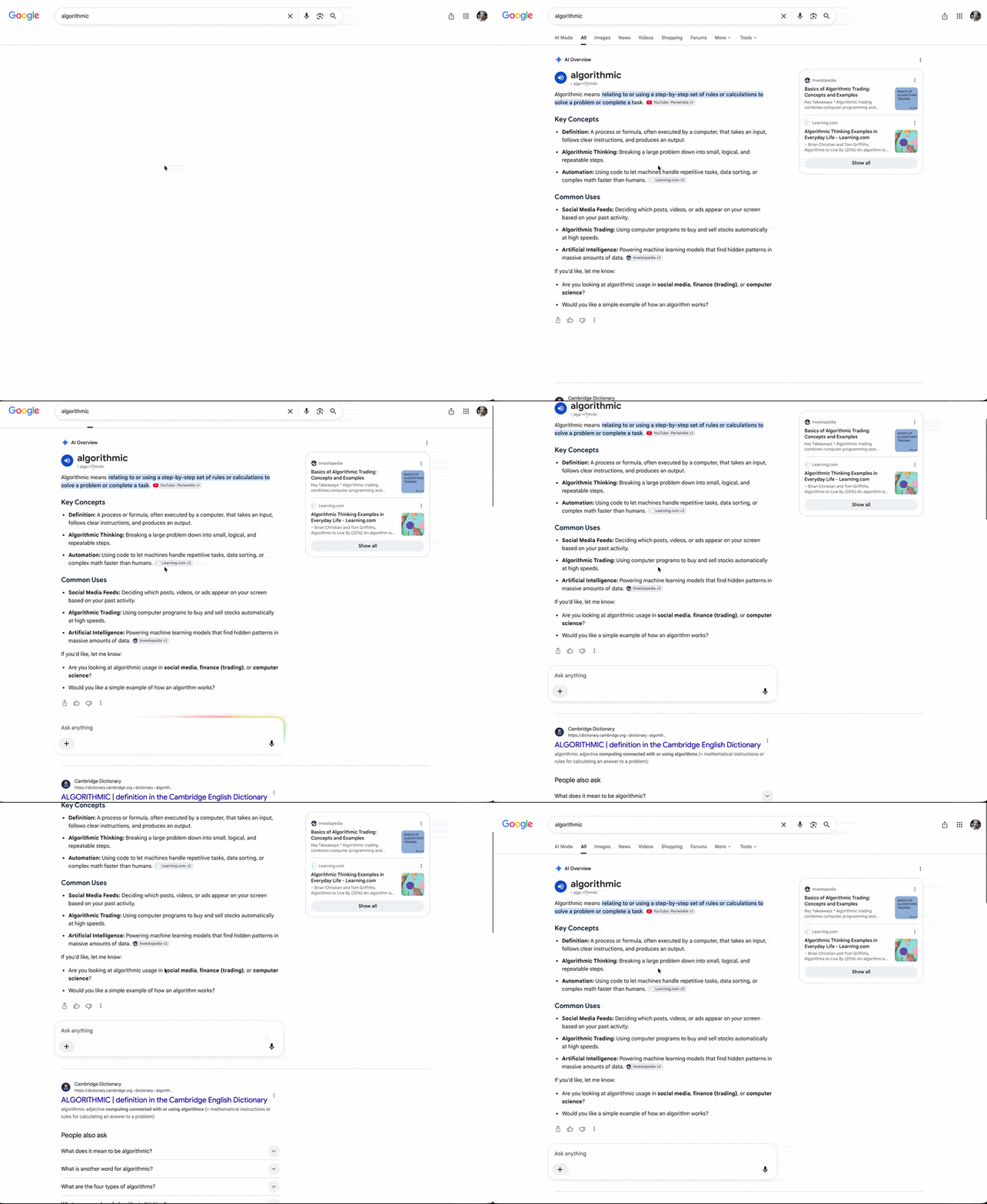
For some queries, AI Overviews now expand fully without a 'Show more' click. What that does to clicks and how to respond.
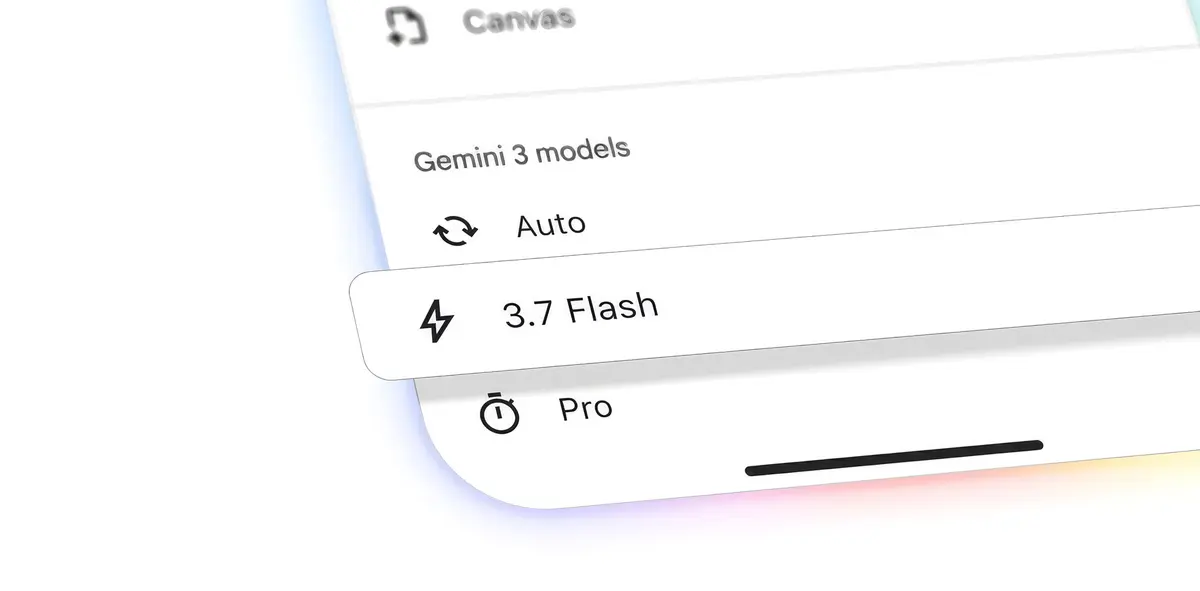
Google has brought Gemini 3.7 Flash to Google Search. The rollout began globally on August 14, 2026 inside AI Mode, limited to Google AI Pro and Ultra subscribers and to English. The model itself had been announced a day earlier as Google's "most intelligent workhorse model yet for coding and agents" — with no mention of Search. Robby Stein of Google confirmed the Search deployment on X.
Google names two improvements: AI Mode gets better at following instructions and at understanding your intent. Stein framed the result as "even more helpful responses."
That phrasing matters more than it sounds. Better instruction following means AI Mode can decompose long, multi-condition questions more accurately. Pages built around a single short keyword lose ground to pages that can actually answer a stacked question.
Paid subscribers select the model directly inside AI Mode by clicking the '+' icon. There is no separate settings screen to hunt for.
Google has repeatedly opened model upgrades to paid subscribers first and widened them to free users weeks or months later. The same path is likely here. In practice, the answer quality paid subscribers see today is the baseline every searcher will see soon.
The broader shift — from a list of links to a synthesized answer — is not new. What changes as models improve is how selectively sources get cited inside those answers. The same pattern shows up in YouTube Opens Its AI Chatbot to All U.S. Users — an Itinerary Instead of a Video List: interfaces that used to hand you a list now hand you a conclusion.
Start with English content. This rollout is English-only, so global pages and English product documentation sit in the blast radius first.
Restructure for conditional questions. Not "best CRM," but "50-person firm, Google Workspace, under $50 per seat." Check whether your pages answer that kind of stacked question at the paragraph level.
Rework how you measure. When the answer completes inside AI Mode, no click happens. A dashboard built on rankings and clicks will not show this shift at all. For what to fix first, see Most AI Visibility Gains Are Just Technical Debt Repayment.
Consumer discovery is already moving. As AI Became the First Step in Shopping — Discovery Up 200%, Traditional Search Down 15% shows, AI-led product discovery is rising while traditional search declines. A stronger model accelerates that curve rather than slowing it.
Google AI Pro and Ultra subscribers, in AI Mode, in English. The global rollout started on August 14, 2026.
Google has not committed to a date. Based on prior rollouts, broader availability within weeks to months is likely.
Paid subscribers click the '+' icon within AI Mode and pick the model from there.
The fundamentals hold. The priority shift is checking whether your pages answer long, multi-condition questions at the paragraph level, and whether you have original data to back those answers.
To apply what you just read to your own site, start with a free audit of where things are now.
A strategist replies within 24 hours on business days.
For some queries, AI Overviews now expand fully without a 'Show more' click. What that does to clicks and how to respond.
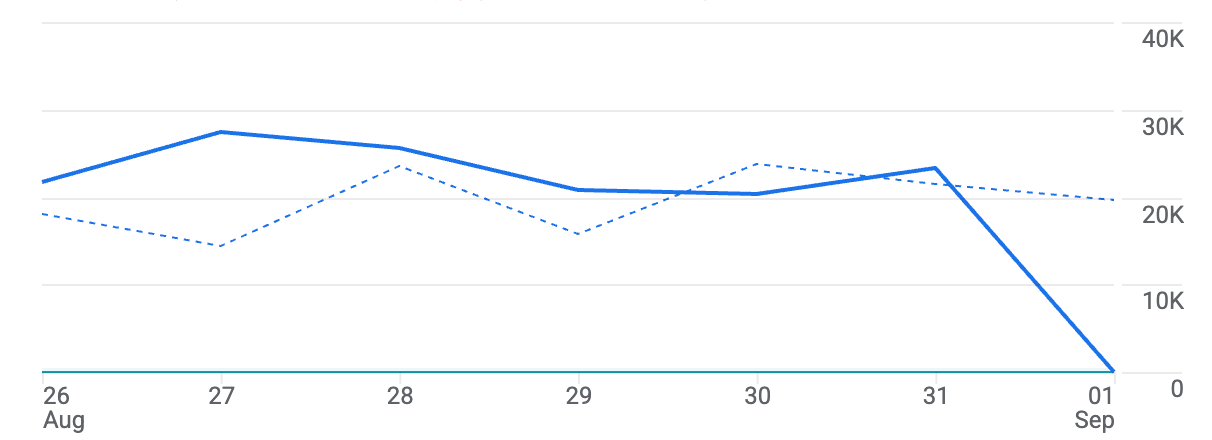
A widespread GA4 bug left Sept. 1, 2026 data missing across accounts. What to check and what not to do while Google Analytics data is missing.
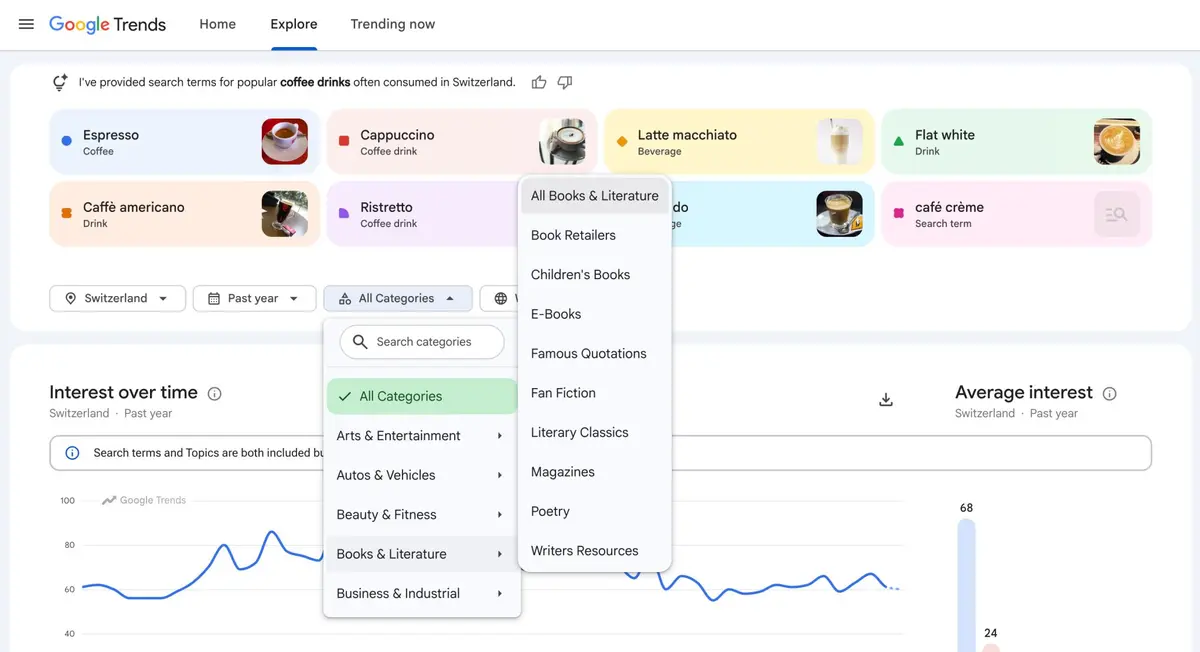
Google Trends can now filter the Explore page by category with no query entered. How to use it for topic discovery and, more usefully, for cutting noise.