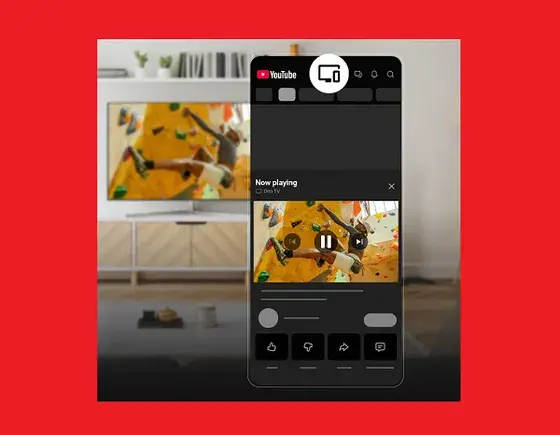
YouTube announced an update to its Connected TV experience that lets viewers use their phones to control what they see on a YouTube-connected TV set. The remote, long the bottleneck of YouTube connected TV, stops being one.
The Things Remotes Were Bad At
YouTube's own framing is precise about the problem: "We've heard from many of you that the TV is your favorite place to watch YouTube, but some features like typing out comments, reading a description, or subscribing to a channel can be tricky when you're only using a standard remote. This update lets you take full advantage of your engagement features (e.g., comments, descriptions) without interrupting content playing on your TV."
The connected app gives synced access to comments and likes, and viewers can subscribe to channels while watching the TV screen.
Watch on One Screen, Browse on the Other
While watching on TV, viewers can keep exploring the YouTube app on their phone — searching for videos or watching Shorts. They can also send videos to the TV straight from the home feed: "Just tap the three-dot menu next to any video title and select 'Play on different device,'" YouTube said.
Viewers no longer need to share a Wi-Fi network or manually pair phone to TV to use both at once. The setup step is gone.
A Billion Hours a Day
Connected TV viewing has been a major growth driver for YouTube, with more than a billion hours of content watched on home TV sets daily. YouTube has been shipping CTV updates steadily to match: podcast viewing options, account locking controls, and TV-style stations that play a continuous stream from a single channel.
The company has also expanded AI-powered search on smart TVs, though that had been limited to sets with a microphone in the remote. This update puts advanced functions in reach of far more people without requiring the latest hardware.
What Marketers Should Do About It
The combination is a big screen for playback and a handheld device for action — which lands directly on CTV advertising's oldest weakness: viewing that doesn't convert into behavior. When subscribing, commenting and searching no longer require a remote, a video watched on TV has a much shorter path to an actual subscription.
On the creative side, review assets at living-room scale. Caption sizes and information density built for a vertical phone screen read differently across the room. Read alongside Instagram's creator-led push for its connected TV app and YouTube letting users build up to eight custom feeds, the fight for the living room screen is now fully underway.