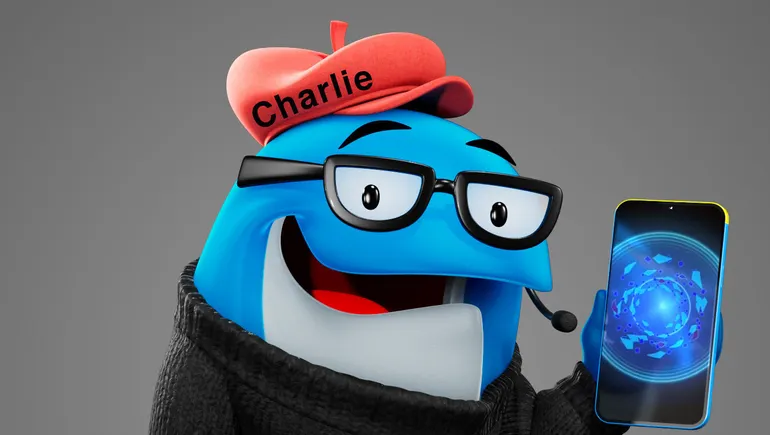
StarKist, the century-old canned tuna brand, handed brand strategy, creative development, media planning and buying, organic social, measurement and website/SEO assessment to one shop — Tombras. In a market where splitting work across specialist agencies became the default, the integrated agency model is quietly winning again among mid-cap brands.
The economics behind the decision
StarKist has broad name recognition and a century-old mascot in Charlie the Tuna, but not the media budget of a large food conglomerate. Michael Merritt, VP and head of marketing and innovation, framed it plainly: the brand is very well known but not a massive company, so limited resources have to be spent as efficiently as possible.
Notably, an agency-of-record arrangement was not the original plan. It emerged during the search, once the brand saw one partner could cover the full stack.
What consolidation actually buys: speed
Tombras argues the core benefit is the ability to react to cultural moments within hours. The agency previously had MoonPie pitch its snack to extraterrestrials during congressional hearings on unexplained aerial phenomena — an effort it says generated over a billion earned media impressions.
That kind of execution is a split-second decision. You cannot convene five agencies and align them in time. When creative, social and media sit together and already share the brand strategy, reaction time changes structurally.
Nowhere to hide on accountability
The second argument is ownership. When creative and media are separate vendors and results miss, the creative agency blames the media plan and the media agency blames the creative. Integration removes the seam that makes that possible.
Treating a mascot as IP, not an ad asset
A concrete goal behind the consolidation is reintroducing Charlie the Tuna to a younger cohort. The plan under discussion has the character speaking through social, reacting to other brands and riding cultural moments — not just appearing in TV spots.
That shift, from campaign asset to continuously operated IP, is showing up across categories. Crocs Hatches Niles — a Mascot Built as IP, Not an Ad Asset describes the same structural move.
When consolidation is worth revisiting
Integration is not universally correct. It is worth a serious look when:
- The budget is modest but the channel count is high. Coordination overhead scales with the number of vendors.
- Cultural reaction speed is a competitive edge. Social-led brands gain the most.
- Accountability keeps blurring. If every performance review ends in finger-pointing, the problem may be structural.
- Long-lived brand assets need consistent operation. Characters and tone fragment across multiple shops.
Conversely, if one channel demands deep specialist expertise, or per-discipline performance is already stable, there is little reason to disrupt it. On building a brand campaign that earns attention on its own terms, see Shinola's First Brand Campaign Puts the Watch in the Last Five Seconds.