Two futures
Since May 2023, Choi So-young has sent Daily Prompt, a Korean newsletter delivering one prompt almost every day. She has written three books on AI and teaches design at a university, yet introduces herself first as an artist. In an interview with Korean newsletter Techitsue, she described two futures: one where AI agents take on work and earn money while people enjoy leisure and art, and another where AI companies capture the money and individuals work harder than before. What gets people through the second future, she said, isn’t tools or technique — it’s a different set of skills for the AI era.
Three years, sustained by not wanting to waste it
She started when Midjourney and ChatGPT appeared, deciding to study and record the fast-moving field. Prompt marketplaces existed back then, but she believed good results came from conversation, not magic formulas. Her goal was 100 issues. After that, stopping felt like a waste — so 200, then 300.
Steps up close, a straight line from afar
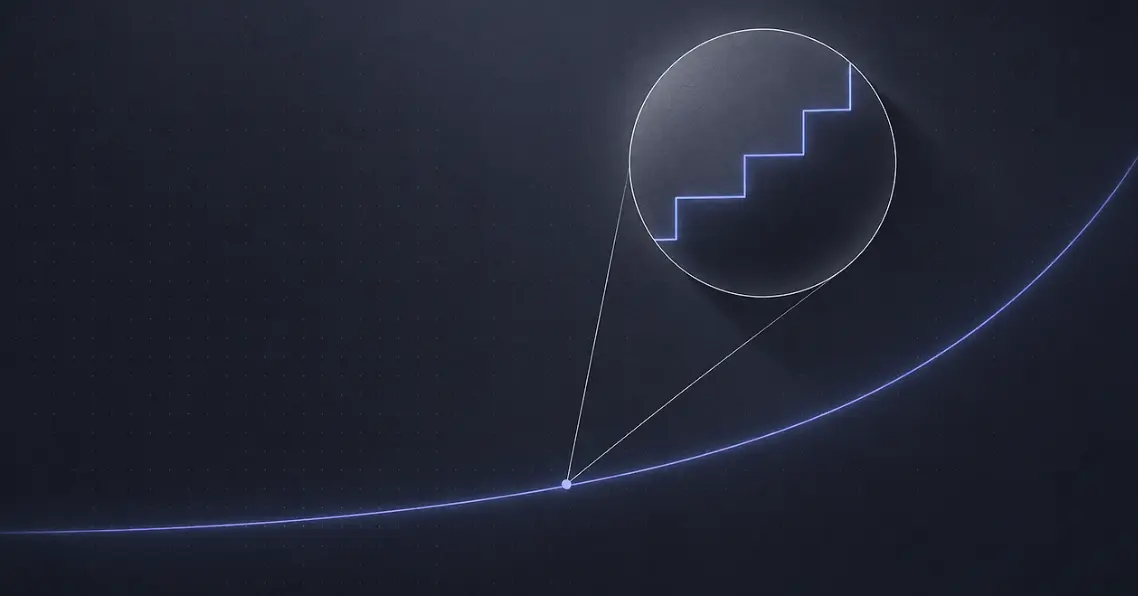
Her turning points: DALL-E 3, which let people edit images in natural language; Google’s Veo 2, which produced video that seemed to understand physics; and fast-following Chinese models. Image and video generation now feel close to a plateau where updates barely register. Video length has grown from four or five seconds to 15 — the length of a TV spot. Keeping one character consistent across scenes, which she expected to take five years, was solved in under two. Models improve exponentially while institutions and people don’t, she said; the tsunami may already have started.
Humans must hold the handle
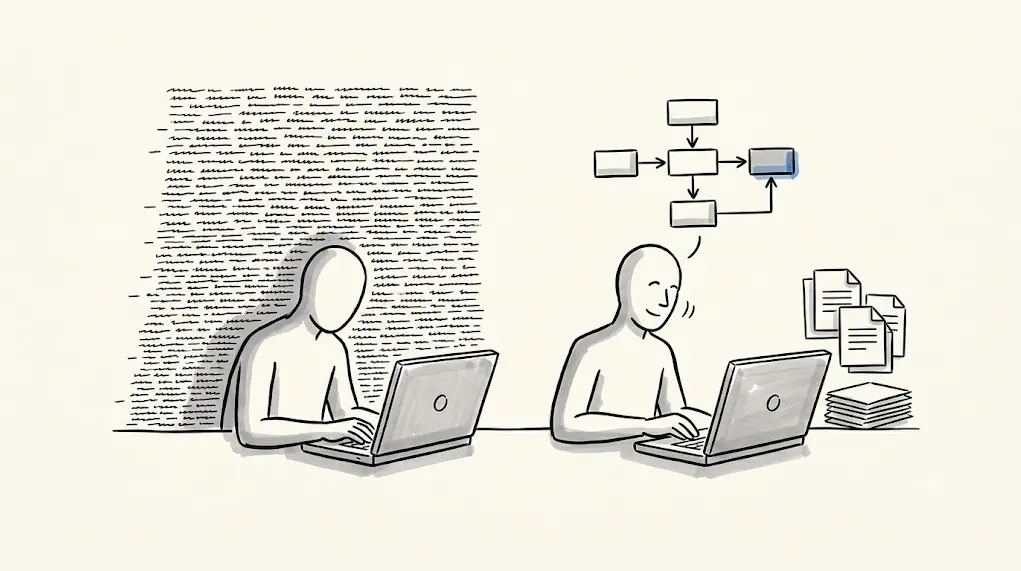
Prompt engineering has given way to harness engineering, and as models get smarter, people struggle because they don’t know what they want. She treats AI as a collaborator and sometimes accepts its suggestions, but stresses that AI produces high-probability answers, so humans must keep steering — the easiest choice is to follow AI.
The trap of the average
You can describe every detail of the Mona Lisa in text and still not reproduce it; images and video can’t be fully captured in words. Ask AI for a scene of two people in love and you’ll get hand-holding or a hug — though for someone, a couple arguing can be love, too. How do you build that judgment? Reading, films and art.
Output comes from emptying
On vacation, she won’t even turn on the TV. Empty space lets the information you’ve absorbed connect; constantly collecting input, she says, soothes anxiety rather than producing insight. She stopped scrolling LinkedIn and YouTube when they filled with seemingly AI-written posts and scripts — there were no people there.
That future has already arrived for some
In content work, the second future is here: experienced hires and new graduates alike struggle to get hired. She believes being hired for AI skills will last six months to a year at most, so she helps students discover their own taste for judging output. Her books aim to shift perspective rather than teach how-tos, which change quickly. Tool skills expire; an eye for what’s good doesn’t.
Her final answer: love
Asked how to respond if inequality hardens, she said “love.” As competition intensifies and knocking others down becomes normal, people need the language of love. AI comforted her in a hard moment, but the advice she remembered came from a person. The starting point is small: saying hello to each other at a convenience store counter.
For marketers, the lesson carries over: when anyone can generate with AI, the difference lies in judgment about what to keep and discard — echoed in the case for intuition over knowledge and thinking like an axe in the AI era.