Some channels post consistently and accumulate nothing. Views come in but subscribers don't grow; subscribers exist but nobody buys. The diagnosis in this Mobiinside piece from content agency Ucrab is blunt: most brands make only one kind of content. Customers don't buy on first sight — they stumble onto a brand, see it a few more times, search to verify right before buying, and tell others if they're happy. Four stages; if your content covers one, the journey breaks in the middle. The fix is assigning a different content role to each stage so customers always have a path to the next one.
Four stages, four content types
Awareness: a reason for strangers to click
The common mistake is posting brand introductions. Nobody looks up an introduction to a brand they don't know. Strangers click for the subject, not the brand. For a sensitive-skin skincare brand that discloses full ingredient percentages, that looks like: "We opened the full ingredient lists of ten 'natural' cosmetics." The single test: would someone click this without knowing our brand?
Interest: a rhythm that brings people back
What this stage needs isn't virality — it's cadence. Set a recurring series and a publishing schedule together: an "Ingredient Teardown" every Wednesday. The test: is there a reason to wait for the next episode? Covering a different topic every time isn't a series; it's a pile of one-offs.
Trust: the sentences customers search right before buying
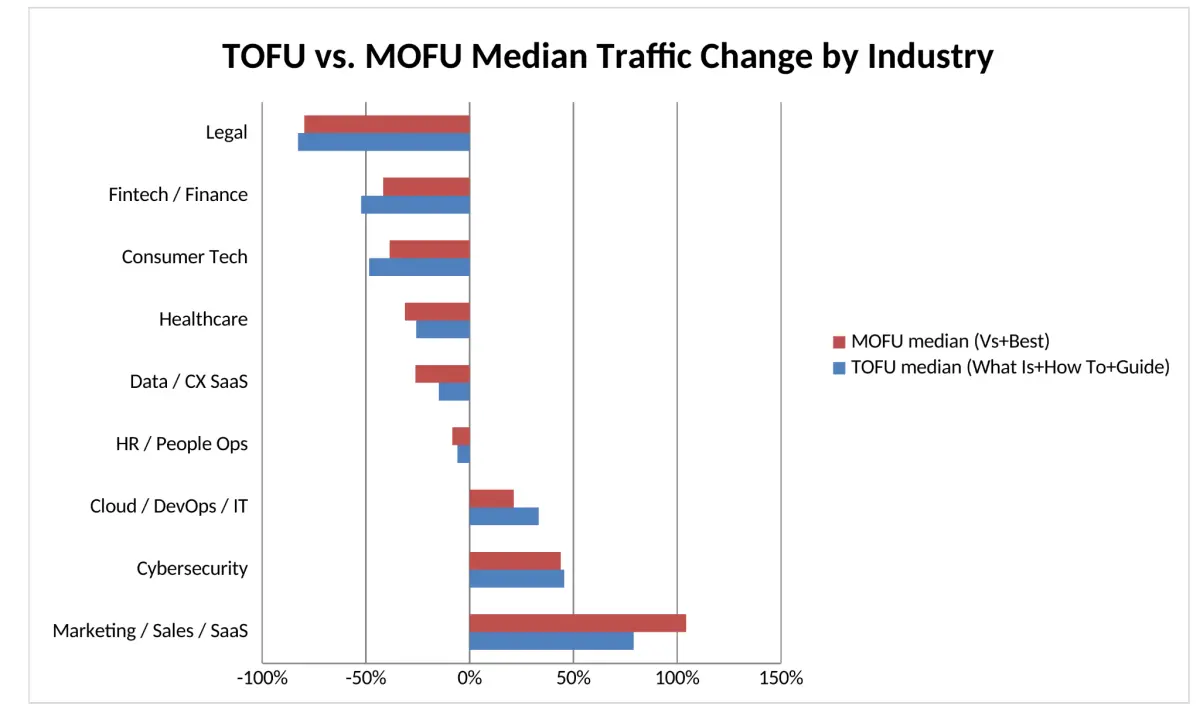
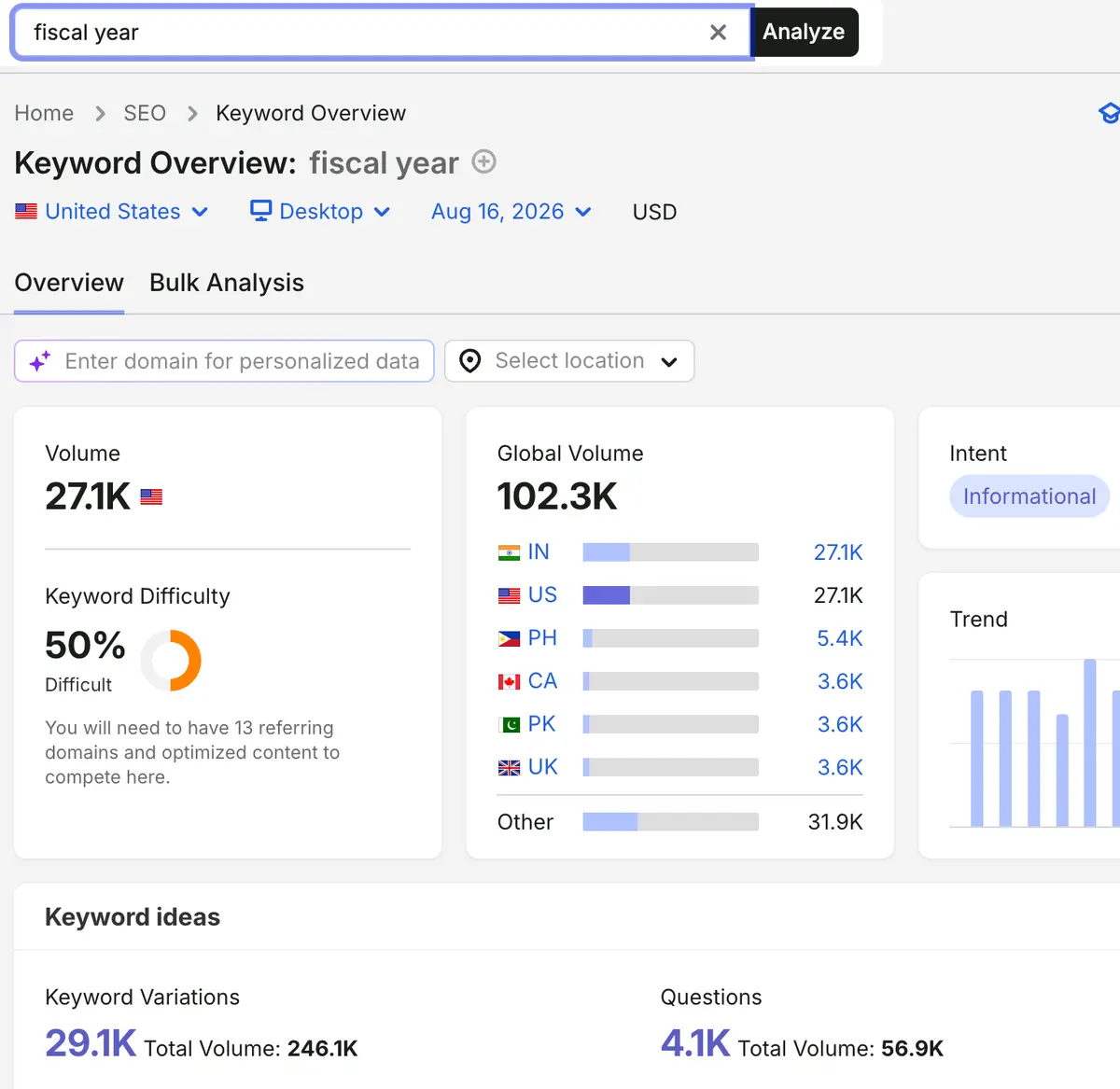
Low views are fine here — people arriving by search are already considering a purchase. Use customers' actual search phrasing as titles: "Can I switch skincare with sensitive skin?" "Is this ingredient safe during pregnancy?" Awareness content spikes and fades; trust content keeps pulling visitors as long as the search exists. It's the compounding side of the portfolio.
Fans: a mechanism where participation becomes material
Example: readers send photos of their own products' ingredient labels, and the next episode tears one down. The test: does content get created without us making it? When participation becomes the material, the series continues on its own. Without this mechanism, the relationship stalls at "subscribed."
Diagnose by symptom
"Views are fine but sales aren't" usually means awareness content exists and trust content doesn't. "Our regulars watch everything but no new people come in" means awareness is the empty slot. Designing brand experience isn't making more content — it's checking which stage your current content serves and filling the empty one.
Our take: this is the creator economy's proven grammar
The frame's real power is changing the language of the content meeting: start from "which stage is empty?" instead of "what should we make?" and priorities set themselves. On cadence, resist ambitious numbers — start with the minimum you can sustain, confirm it holds, then scale, or the plan collapses within two months.
For a large-scale case of staged content design working, see MrBeast Doesn't Advertise Chocolate — Feastables' Five-Step Content Playbook — the structure is nearly identical. And for filling the trust stage, the method for finding the sentences customers actually search is exactly Build Content Briefs Around Audience Situations, Not Keywords — the 7 W's Frame. When the four stages connect, views become a relationship — and relationships become fans.