A map that routes you through the shade
Korea recorded its hottest start of autumn on the traditional calendar, with temperatures above 40°C in places. A walking-route service built by a university student went viral: enter a destination and it suggests shaded paths based on the sun’s position and building shadows, even recommending which bus window side gets less sun. Korean trend writer Kwon Jeong-yoon calls how people now enjoy maps “map life.” Maps are evolving from navigation tools into content platforms for sharing information and discovering taste — and that opens up map marketing for brands.
Three shifts in map life
1. From fixed data to live, co-created information
Offline changes used to appear on maps with a lag, and only a few organizations made maps. Now temporary places like pop-ups show up instantly, and anyone can build a new map with AI. Theme maps have met each moment’s needs — a COVID map during the pandemic, a lovebug sightings map, a map of outdoor drinking spots. Most rely on user reports. As prices rose, one developer built a map of restaurants serving meals under 10,000 won; with user updates and reviews, it reached a million cumulative users in a month.
2. From purpose-driven search to discovery
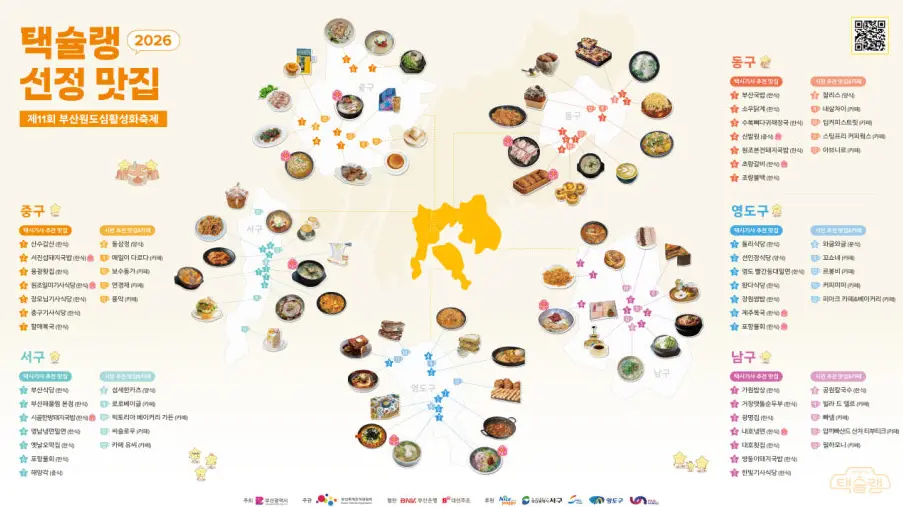
People browse maps built around someone else’s taste — curation matters. In Busan, visitors seek out restaurant guides vouched for by veteran taxi drivers and by postal workers. Expert-made maps also thrive, like a nationwide Korean-style tonkatsu map created by a Daegu restaurant and sold by a katsu-focused creator.
3. From tool to content
Naver Map added falling cherry blossoms to Street View at spring festival spots. For “Spider-Man: Brand New Day,” Google Maps hid Easter eggs in New York Street View, with social clues leading users to five scenes.
Maps over search
In a Trendmonitor survey of 1,000 Koreans aged 13 to 59, 55.6% said exploring their surroundings in a map app felt more natural than searching on a portal. Maps are becoming platforms that connect discovery to visits. Google Maps’ conversational “Ask Maps” finds places that fit a request and is testing AI agents that place orders — ask for a decaf latte and sandwich nearby, and it checks availability and hours before ordering.
How brands can use maps
Coca-Cola Korea partnered with restaurant guide Blue Ribbon Survey on a “Red Ribbon” map of restaurants that pair well with Coke, launched in 2024 — suggesting ideal pairings while turning visits into a collectible challenge. Brand opportunities come in layers:
- Get the basics right: accurate store information turns discovery into visits. Use tools like Google Business Profile’s Collected info tab.
- Curate a map: a map built around your brand’s worldview is content in itself.
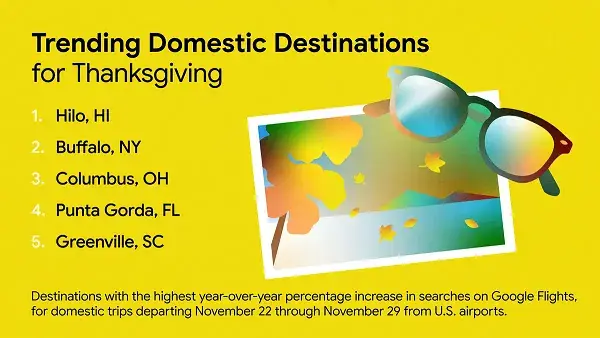
- Solve situational pain points: like the shade map, maps that address weather or context earn empathy — see how heat waves redrew travel demand.
Maps have always revealed their makers’ worldview. In the age of map life, brands should ask which worldview they’re inviting consumers into.