Local SEO has long operated on the assumption that more pages mean more rankings. But SEO practitioner Koray Tuğberk GÜBÜR argues the opposite: fewer, more purposeful pages improve relevance, reduce duplication, and strengthen local search performance. The core of his approach is a framework for deciding whether a search query deserves its own page — Query Deserves a Page (QDP).
Why more pages can actually hurt
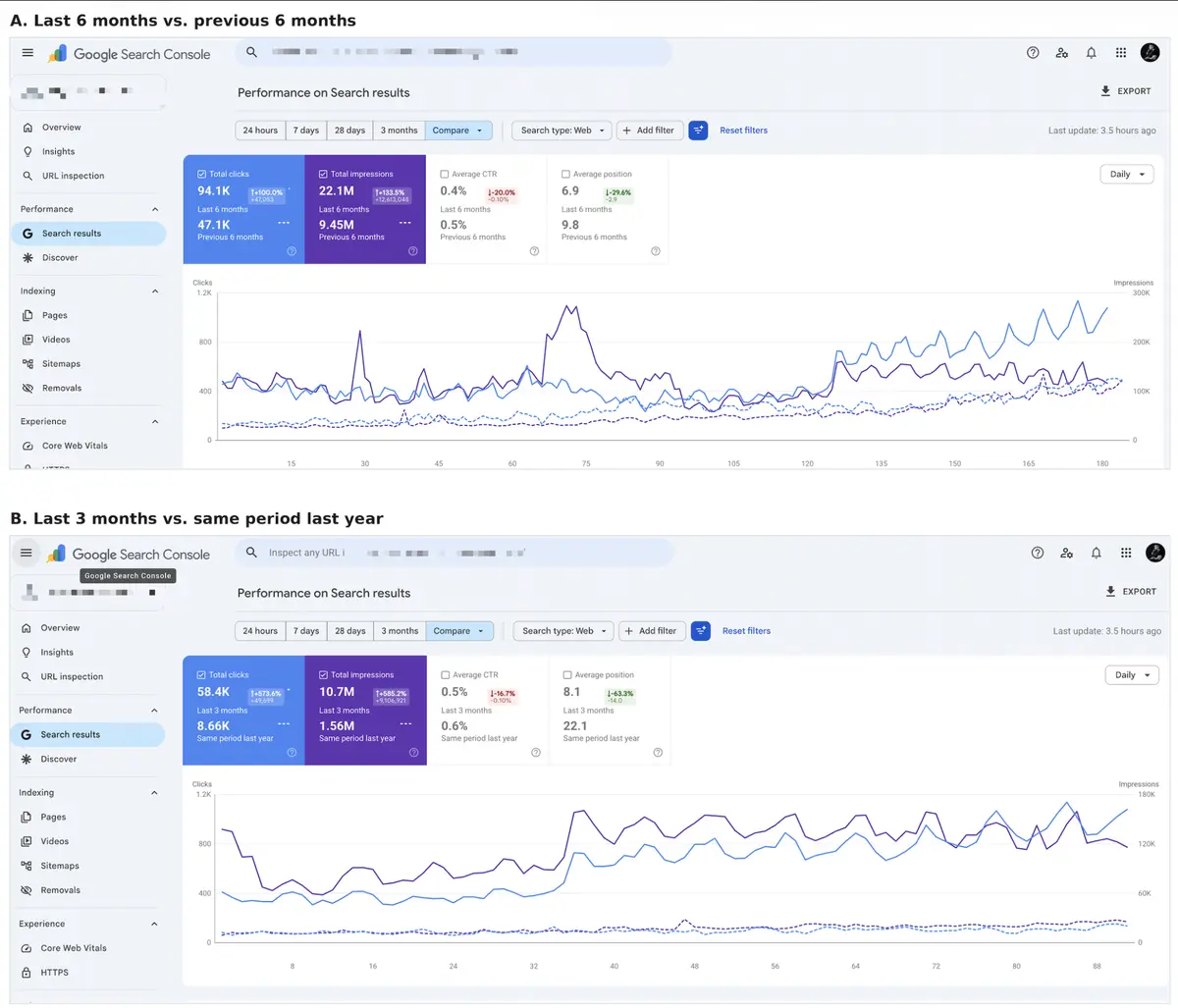
GÜBÜR explains that every unnecessary page adds to what he calls the "cost of retrieval" — the computational burden a search engine must carry. A personal injury attorney site in Melbourne, Australia, had built 19 near-duplicate location pages for neighborhoods like "Melbourne Beach" and "Melbourne Center." After consolidating them, the site gained rankings for 232 new queries and improved rankings on 60 existing ones. Doktorsitesi.com, a doctor-matching aggregator, had 4 million pages, including 40,000 targeting the single query "cancer." Applying QDP principles, the site deleted more than 600,000 pages — and still gained 600,000 additional clicks while holding impressions steady.
Which queries earn a dedicated page
QDP evaluates four factors: (1) whether search demand is sufficient, (2) whether the query involves a different entity, (3) whether it has low similarity to existing queries, and (4) whether there's a clear pattern across query variations. Queries that fail these tests are better absorbed as a section of a broader page — a hero, a credentials strip, a review carousel, an FAQ accordion — rather than spun off into their own URL. Applying this discipline, a yacht chartering site and a flight booking site saw click gains of 37% and 248% respectively, and a pollen allergy site achieved a 42% year-over-year click increase during peak season using calendar-style content instead of more pages.
The takeaway for marketers
The pattern generalizes well beyond these case studies: location pages built mechanically around "city + service" combinations, without real search demand or differentiated content, dilute the ranking signal of pages that actually matter rather than adding to it. Before creating a new location page, check search demand, entity differentiation, and similarity to existing pages first — and when a query is ambiguous, fold it into an existing page instead of splitting it out. For a deeper look at content strategy in the AI-search era, explore Best Partner's services or get in touch.