Familiar brands have to be different in Seongsu
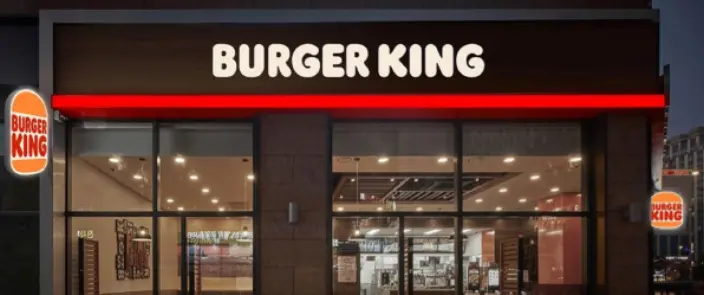
Spotting a familiar sign in an unfamiliar neighborhood is reassuring; predictability is a core franchise asset. Seongsu, Seoul’s trend-setting district, flips that expectation: people want to know what a familiar brand does differently there. Burger King’s first global flagship, “Flameground by BURGER KING,” unveiled on August 26 and officially opened on September 10, sits squarely in that landscape — an instructive flagship store strategy.
Burger King didn’t name the space after the Whopper. It chose “Flame,” from the flame grilling that has defined the brand for more than 70 years.
Making an old asset visible again
Whoppers are available near home and via delivery apps, so convenience weakens the reason to travel to any one store. Burger King said nationwide marketing alone has limits in showing the brand’s depth, so Flameground was built to test menus, spaces and content that regular stores can’t.
- Fire as space: the broiler, normally hidden in the kitchen, becomes design and art. A centerpiece installation draws on real broiler rails, and five emerging artists interpret fire, heat and cooking.
- The Whopper as a course: “The Gastro,” a reservation-only, 10-seat dining room, turns the patty, bun, pickle and onion into separate dishes served as a course.
- Local beer: a collaboration with Seongsu craft brewer Seoul Brewery includes a lager made with Seoul-grown “Gyeongbokgung rice.”
The point isn’t a brand-new story; it’s making people notice flame grilling again.
Signs replace pop-ups
For years, fast-changing pop-ups defined Seongsu. Increasingly, brands test formats as pop-ups, then open permanent spaces. Shake Shack runs a Seongsu-specific store, No Brand Burger operates a test space for new products and collaborations, and McDonald’s is preparing to re-enter.
In Seongsu, Burger King competes not only with burger brands but with cafés, boutiques, exhibitions and pop-ups for visitors’ weekend afternoons. Fast food grew by saving time; Flameground tests ways to make people linger. The real competition is for time.
Localization down to the block
Global brands usually localize by country. Flameground narrows it to a neighborhood. Seongsu’s industrial past — working with iron and fire — and its red-brick buildings connect to Burger King’s flame story, and the store uses brick, steel and fire-inspired materials. A neighborhood store serves quick meals; a Seongsu flagship must create reasons to travel and stay.
Judge it months from now
The author argues Flameground should be judged not by opening lines but by whether people come back months later — and whether it changes how they see Burger King. Alongside Burger King Korea’s truck-stop diner signage campaign and Kurly’s first permanent store, it shows physical space taking on a new role for brands.