Brand extension is the first temptation success brings. Attention builds, collaborations appear, and someone asks what else the brand can sell. In a Marketing Dive guest column, Sunny Bonnell and Ashleigh Hansberger, co-founders of brand consultancy Motto, argue that modern marketing is very good at measuring attention and surprisingly poor at understanding what that attention means.
An audience is not a market waiting to be monetized
Creators reversed the traditional order of business: instead of building a product and then buying an audience, they built the audience first. With built-in distribution, deep customer knowledge and organic reach, launching products looks like the obvious next step.
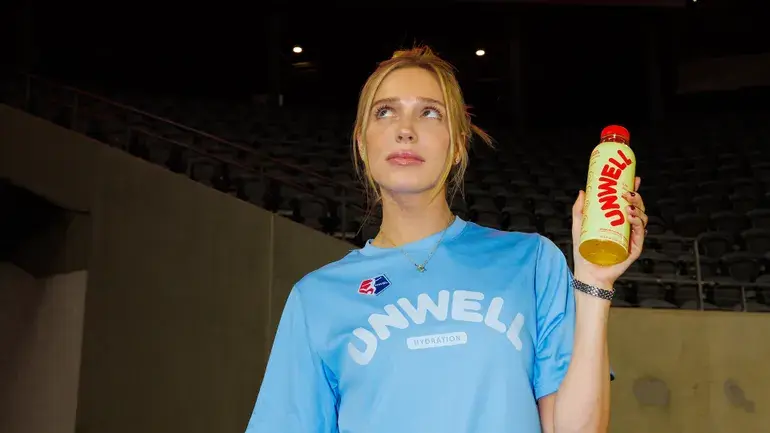
The authors see a dangerous assumption in that logic. Alex Cooper's Unwell Hydration, for example, shut down roughly two years after launch despite the large audience around her broader media brand. People gather around brands for specific reasons, such as humor, feeling understood or trusting someone's taste. That reason is the deal, and deals have terms.
Every brand has a permission boundary
Alongside brand equity, the authors say we should talk about brand permission: the territory people will credibly allow a brand to occupy. A brand can't declare it; people decide over time.
Strong moves feel inevitable. There's a clear line between what the brand is known for, what it means to people and where it wants to go next. Weak moves need an elaborate deck to explain themselves.
Attention can fake product-market fit
Launch into an audience of millions and something will happen: clicks, purchases, press. The useful questions come later. Do people come back? Would anyone choose this if your name disappeared from it? Does it attract people who weren't already fans?
A big audience can shorten the distance from obscurity to trial, but not from trial to habit. In the authors' words, awareness gives you scale, while meaning gives you leverage. Brands should spend less time measuring how many people know them and more time asking what they're known for.
AI expands possibility, which makes focus more valuable
AI makes it cheaper to build, test, personalize and expand. When almost anything becomes possible, a clear point of view becomes invaluable. Success removes the constraints that once forced early-stage focus, and suddenly everything looks adjacent. Knowing what not to build, the authors argue, is one of the clearest signs a leader understands their brand.
What this means for marketers
Three questions before you extend
Before entering a new category, collaboration or product line, ask: Why did people care about us in the first place? Does this move connect to that reason? Will people still buy once the launch buzz fades?
Apply the same test to creator partnerships
Creator-led campaigns are growing. Look past follower counts to what the creator is trusted for and whether that overlaps with your brand. For how brands structure longer creator deals, see Creators Are Now the Center of the Campaign — How Chili’s, Disney and Alaska Airlines Use Long-Term Creator Deals.