Tech/AI모비인사이드
OpenAI DevDay 2026 Recap — ChatGPT Becomes a Shared Workspace for People and Agents
OpenAI DevDay 2026 introduced the always-on agent Dots, GPT-6.1 Sol and ChatGPT Spaces. A recap of the shift from model races to work platforms.
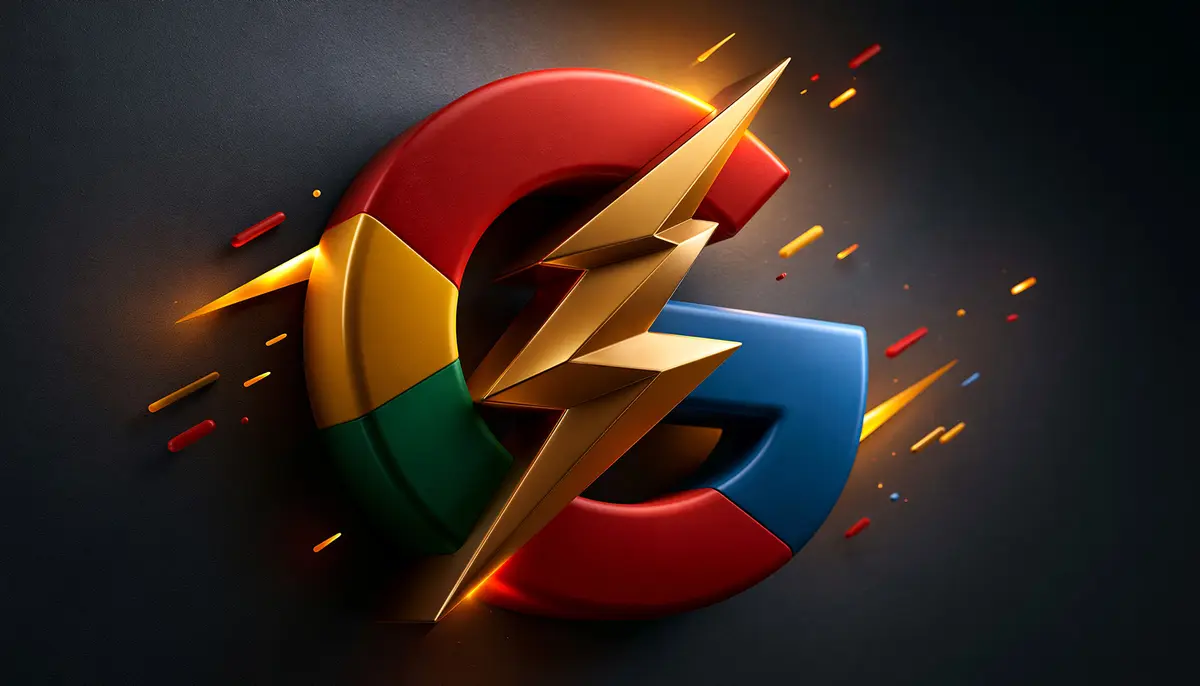
On July 21, 2026, Google unveiled three new AI models — Gemini 3.6 Flash, 3.5 Flash-Lite, and 3.5 Flash Cyber. Of the three, Gemini 3.5 Flash-Lite is the one now rolling out inside Google Search and the Gemini app.
Google positions 3.5 Flash-Lite as its "fastest, most cost-efficient 3.5-class model." It processes 350 output tokens per second on the Artificial Analysis Index, and Google says it shows a significant performance jump in agentic workflows over the previous Flash-Lite generation. The design targets both latency-sensitive tasks and high-throughput developer workflows.
The rollout targets Google Search and the Gemini app, with particular emphasis on agentic search experiences. Whether it also feeds AI Overviews and AI Mode hasn't been officially confirmed, though industry observers expect it will. Google's Robby Stein said the model brings "stronger instruction-following and better grasp of user intent, so conversations flow much more naturally." The move connects directly to the "search agents" concept Google previewed at I/O in May — letting users build, customize, and manage their own AI agents from inside the search interface.
The direction is clear: search is moving from query-and-link-list toward intent-recognition-and-autonomous-execution. Putting a low-latency, high-throughput model directly into search means users can throw multi-step, compound queries at it and get an immediate conversational response. That, in turn, means keyword-centric SEO tactics are losing ground to content structured around context and intent.
As agents inside search increasingly gather, summarize, and act on information, the way brand content gets surfaced changes fundamentally. Marketers need to move past "click-bait headlines" and structure content around clear evidence, data, and information an AI model can trust and cite. Given the possibility this model extends into AI Overviews and AI Mode, becoming a cited source inside search results — not just a ranked link — is shaping up as the next core traffic challenge. For a deeper look at building an AI-search-ready content strategy, see our guide on schema and entity gaps for AI search or talk to our team.
It's one of three new AI models Google unveiled on July 21, 2026 — a low-latency, high-throughput model that Google calls its fastest and most cost-efficient 3.5-class model, built especially for agentic workflows.
It's rolling out in Google Search and the Gemini app, with a particular focus on agentic search experiences; its use in AI Overviews and AI Mode has not been officially confirmed.
As search shifts from listing links to autonomously understanding and executing on intent, keyword-focused SEO becomes less effective, and structuring content with clear evidence and data that AI can cite and trust becomes more important.
Focus on becoming a cited source inside AI-generated answers rather than just ranking for clicks — structure content clearly, back it with data, and monitor how AI Overviews and AI Mode might incorporate agentic search going forward.
To apply what you just read to your own site, start with a free audit of where things are now.
A strategist replies within 24 hours on business days.
OpenAI DevDay 2026 introduced the always-on agent Dots, GPT-6.1 Sol and ChatGPT Spaces. A recap of the shift from model races to work platforms.

Zero-click GEO explained from TBWA's observations: 68% of U.S. Google searches end without a click, so extend existing SEO content into AI citations.
Claude Fable 5.1 improves coding and research while cutting cache costs, reducing false safety interventions, and introducing regulatory watermarking.