Business모비인사이드
Who Owns the AI Prompts Employees Write at Work? A U.S. Legal View
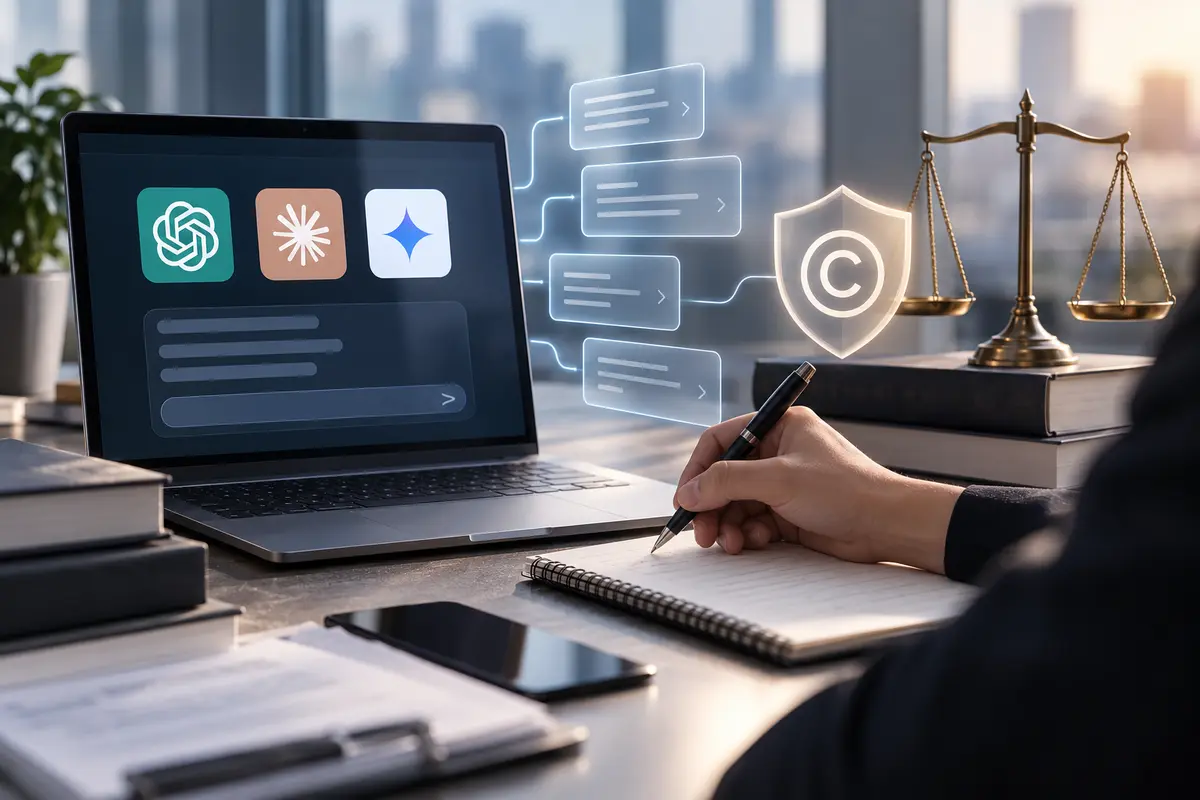
Can employees take prompt libraries built at work when they leave? How U.S. work-for-hire and trade secret law apply to AI prompt ownership, and what firms should do.
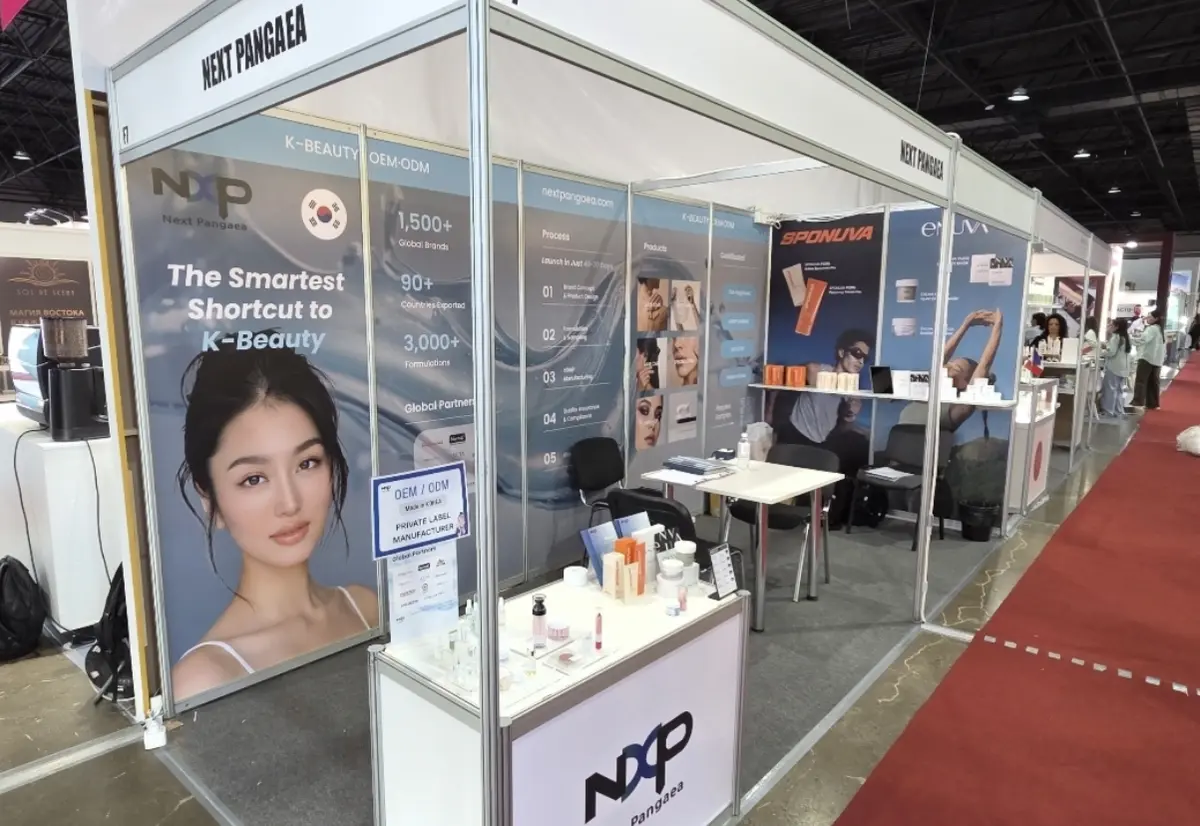
Overseas trade shows are often attended through national pavilions, where organizers set up identical booths and exhibitors just supply images and samples. The booth looks good — and then it’s quiet. B2B shows rarely use consumer-style raffles, so many people pass, few stop and most grab a catalog and leave. A Korean CEO who writes as “the philosophizing CEO” says many shows ended empty-handed. A booth is a stage, and who steps onto it is largely decided before the show opens — the starting point of B2B trade show marketing.
When sheet masks were booming, the author put a new color-infused mask front and center; response was strong. At the next show, the same product appeared at another company’s booth. Not everyone walking the aisles is a buyer — competitors come to see what you’re doing. Show your newest product and people stop, but you also invite copies.
The solution was to change the audience:
Copy risk fell, and customers felt special — seeing something few others could turned a product reveal into “we prepared this for you.” A defensive tactic became a relationship builder.
Once participation is confirmed, contact existing and prospective customers to book booth visits. Don’t limit yourself to daytime meetings; dinners after the show allow deeper conversations. A show with booked meetings adds new encounters between appointments; a show without them may bring no one.
For walk-ins, create curiosity. Before one show, the author bought ten shiny silver masks at Daiso for 1,000 won each and stuck them on the booth wall. People stopped to ask what they were, conversations started and consultations rose. What draws people doesn’t have to be your product; photo-worthy spots work too. With a tight pavilion budget, creating curiosity cheaply is the skill.
The last task isn’t packing up — it’s sending email. Detailed proposals and quotes can wait until you’re home, but a thank-you and company introduction should arrive that night, while the conversation is fresh. Include photos taken with permission and images of products they liked; among dozens of booths, photos pinpoint you — and refresh your own memory.
The real scorecard is how many companies are still exchanging emails months later. For digital targeting around shows, see narrowing B2B targets with LinkedIn’s Companies Hub, and for a B2B perception problem solved through creative, Staples’ Hard Button campaign.
The author recommends showing established flagship products at the booth and revealing unreleased products only to pre-booked existing customers, reducing copy risk and making customers feel valued.
Pre-show outreach — booking booth visits and dinner meetings with existing and prospective customers before the event.
Send a thank-you, company introduction and photos the same night, then detailed proposals later. Measure success by ongoing conversations months later, not business cards collected.
To apply what you just read to your own site, start with a free audit of where things are now.
A strategist replies within 24 hours on business days.
Can employees take prompt libraries built at work when they leave? How U.S. work-for-hire and trade secret law apply to AI prompt ownership, and what firms should do.
Four teams named four different core customers, all based on gut feel. A step-by-step way to define your core customer from repeat behavior and map your beachhead.

David Holz turned down two Apple acquisition attempts before Leap Motion sold at a steep discount. The lessons shaped Midjourney's investor-free growth model.