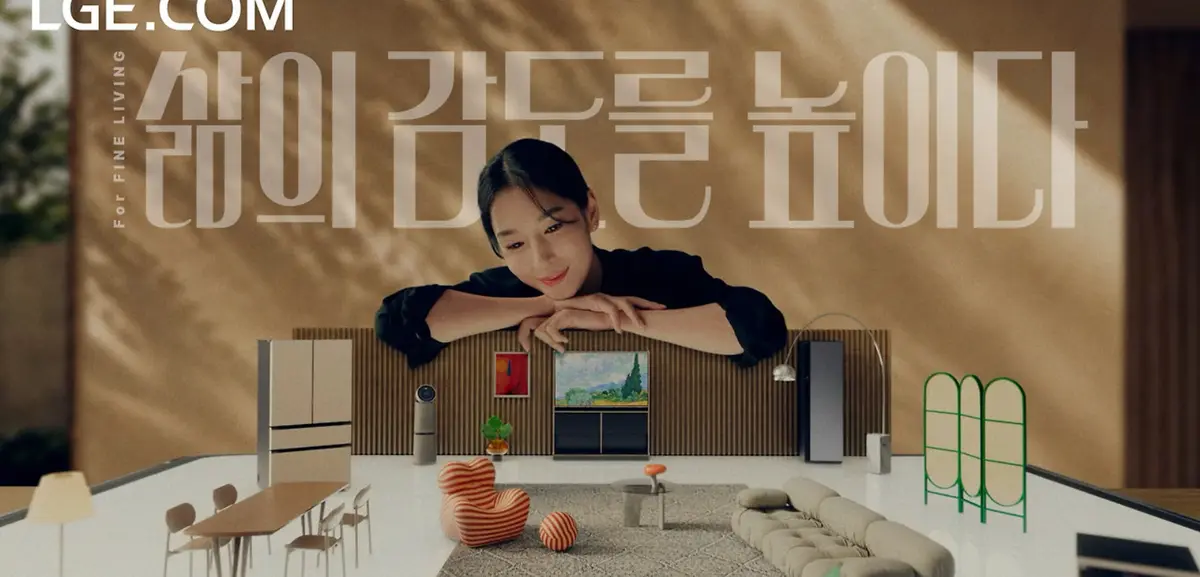
A strange word has been showing up in Instagram ads in Korea: “르게다꼼” (roughly, Leu-ge-da-kkom). Hard to pronounce and seemingly meaningless, it’s a new campaign from LG Electronics. Why would a company with one of Korea’s strongest brands put an unfamiliar name front and center? Drawing on an analysis by Korean marketer Bruce, here’s how this rebranding campaign was built.
The service changed, but perception didn’t
LGE.com has long been seen as the place to buy LG refrigerators, TVs and washers. In November 2025, LG launched its Home Style service, expanding into furniture, lighting, fabrics and décor — moving from an appliance store toward a lifestyle platform.
The problem: a service changing doesn’t mean customer perception changes with it. The stronger the existing image, the less visible the shift. What LG needed wasn’t another new service but a moment that made people notice the change already underway.
“Leugedakkom” is LGE.com, read differently
The nickname comes from reading “LGE.com” in a playful, almost French-sounding way that sparks curiosity. The campaign then ties it to three Korean phrases ending in the same “-reuge” sound:
- “Secretly” — discovering products and perks others don’t know about
- “Differently” — styling your home with a distinct sense of taste
- “Rightly” — choosing without regret between taste and practicality
By repeating a sound that echoes “LGE” inside everyday expressions, the language that describes the customer’s lifestyle becomes the language that makes them remember the brand.
Creating news without a new product
Brand marketers constantly need something new to say even without a launch or a sale. Forcing a new concept risks diluting identity; repeating the old story gets ignored. LG’s answer was to reinterpret an existing brand asset rather than replace it — novelty with its starting point inside the brand.
A quirky name alone can backfire: people remember the word and forget the company. Whether Leugedakkom actually shifts perception of the platform is still unknown. But because the name originates from the brand itself, recall is designed to lead back to LG.
Takeaways for marketers
If your business has expanded but customers still see the old version of you, ask before creating a new brand: Can your existing name, logo or slogan be read differently? Does that reinterpretation connect to the experience customers want? Does the novelty lead back to the original brand?
For the compounding power of consistency, see how Heinz was recognizable from a fry box alone.