AI risk management, stated as a probability
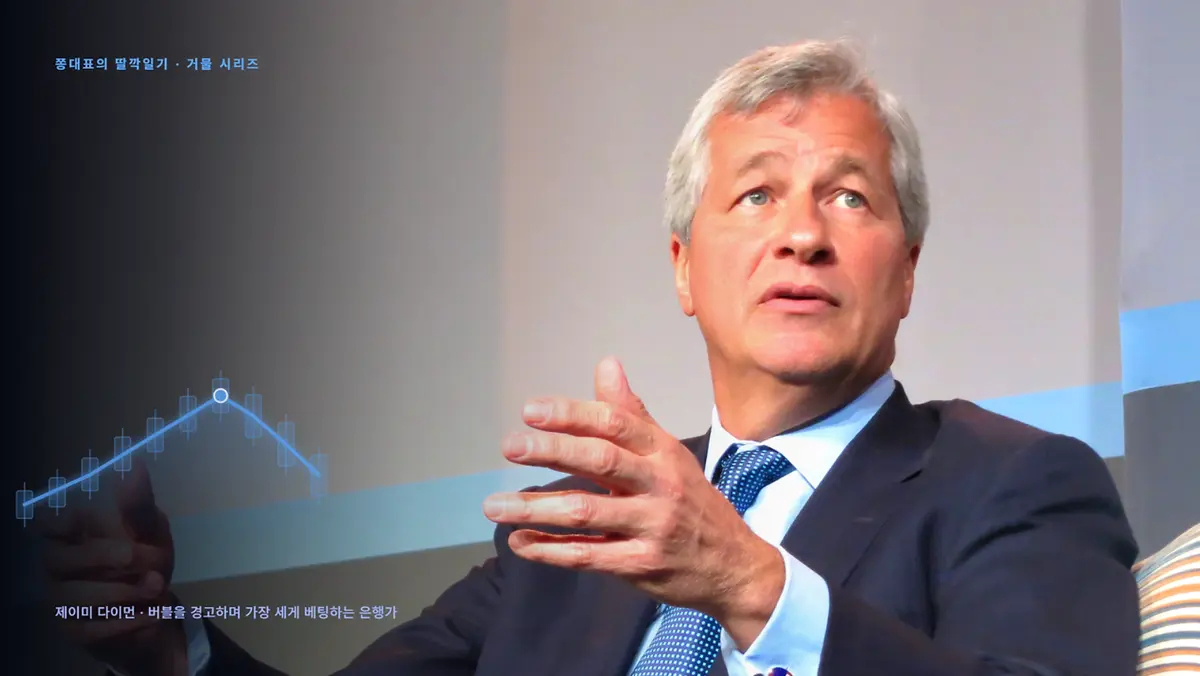
JPMorgan posted $21.2 billion in net income in Q2 2026, up 41% year over year. On the earnings call, CEO Jamie Dimon led with a warning rather than a victory lap: conditions are near their best, and there is no telling how long that lasts. Fortune and CNBC reported the same message that week — that markets are underpricing risk.
The apparent contradiction is what he does next. While warning, JPMorgan is becoming the bank betting hardest on AI. Some divisions have cut headcount by up to 40% because of AI, the firm says it will hire fewer bankers and more AI specialists, its technology budget approaches $20 billion, and it runs close to 1,000 AI use cases.
Speaking in probabilities
Dimon's habit is to answer in odds rather than yes or no. On AI, he has said it cannot be dismissed as a bubble outright — like the automobile, the category eventually delivers — while insisting that plenty of money inside it will be wasted. Then he attaches a number: markets price roughly a 10% chance of a correction, and he sees 30%.
Probabilistic framing filters out both excessive optimism and excessive fear. Thirty percent is not an instruction to stop investing. It is an instruction to size the bet so that being wrong three times in ten does not end you.
A lesson learned at 14, scaled into corporate strategy
Dimon bought his first stock at 14 and watched it fall 45% within two years. The takeaway — don't blow up — became the default setting for everything after. Institutionally it became the "Fortress Balance Sheet": hold far more capital and cash than regulators require. In his annual shareholder letter he wrote that the most important thing the firm can do is prepare for a storm it hopes never comes.
In 2008, Lehman Brothers and Bear Stearns failed and JPMorgan survived — the difference between meeting the regulatory minimum and holding well past it. The bank still runs hundreds of internal stress tests every month, under conditions harsher than the Fed's annual exam.
The spending curve, and the risks he names
Industry-wide AI spending is expected to move from about $400 billion last year to $700 billion this year and past $1 trillion next year. Platform companies are on the same curve — see Zuckerberg's 6,500-Word AI Manifesto for one version of it.
Among the risks Dimon flags for the year, AI-driven labor market shocks sit alongside war in Iran and inflation. He has also argued that releasing an extremely capable model carelessly could become a national security problem — a wide brief for a bank CEO.
Two things to take into your own planning
First, stop deciding AI adoption as yes or no. Asking "what are the odds this automation pays back within six months" changes the quality of the argument. Second, define the loss you can absorb before you place the bet. Build the fortress, then bet big inside it.
Dimon expects AI to eventually enable a 3.5-day work week, and in the same breath tells new hires to build emotional intelligence. The better machines get at processing, the more the human-only part is worth.
FAQ