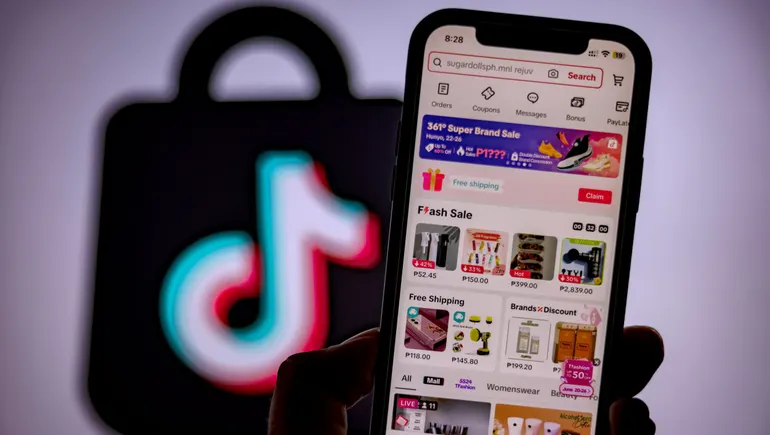
TikTok Shop product innovation is changing how food and beverage giants develop products, according to TikTok Shop's head of food, Amanda Parker. Companies including PepsiCo, Mars, and Hershey are using the platform's e-commerce capabilities not just to drive sales, but to directly shape new product development.
The numbers behind the shift
TikTok Shop's food category revenue has more than doubled year-over-year. In 2025, U.S. users made 103 billion purchase-intent searches on the platform, total transaction value rose roughly 80% year-over-year, and enterprise brand sales surged 97%. As Parker put it, TikTok Shop turns "what was once just inspiration into an immediate purchase within one system" — closing the gap between the moment someone feels something about a piece of content and the moment they buy.
What makes a product succeed on TikTok Shop
According to Parker, winning food and beverage products share common traits: visually distinctive packaging or texture, culturally viral status (like "candy salad" or "Dubai chocolate"), extreme flavors or unusual formats that trigger an immediate on-camera reaction, and functional benefits that are easy to explain.
This is dramatically compressing product development timelines. Skittles, for example, spotted the "popped candy" trend and launched a TikTok Shop exclusive product on an unusually fast schedule. Both content-native newcomers and century-old legacy brands are participating.
What this means for marketers
TikTok Shop product innovation shows that the line between content, commerce, and product development is disappearing in food and beverage marketing. What once took months — going viral, securing distribution, launching formally — now compresses into weeks, from trend detection to sale. That demands not just the ability to plan polished campaigns over months, but the agility to spot a trend and act on it immediately.
Parker's core advice — prioritize products creators can demonstrate easily and show off compellingly — means content shareability needs to be part of product design from day one. Visual impact, an immediate-reaction trigger, and a clearly explainable benefit: building these into product ideas from the start lets a brand turn platform algorithms and cultural momentum into a growth engine, not just an ad channel.
For strategy on turning TikTok trends into product and content wins, explore Best Partner's services.