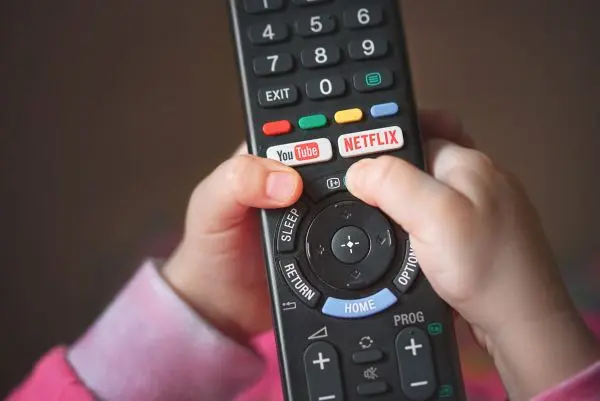
The boundaries that once separated Netflix and YouTube are dissolving fast, with each platform now pushing directly into the other's core business. According to Business Insider, Netflix is investing in creator-made content, short-form video, and podcast-style programming, while YouTube is pushing into the TV advertising market and series-style programming to win over traditional TV viewing. Netflix vs YouTube has become one of the defining rivalries in streaming.
The Shared Goal Behind Netflix vs YouTube
Both companies share a clear objective: maximizing the time users spend on their own platform. Scott Purdy of KPMG US frames it as both companies building "a super app that users never need to leave" — combining personalized recommendations, advertising, and content into a single ecosystem designed to hold attention.
Concrete Moves on Both Sides
The moves are already visible. Netflix has partnered with Bon Appétit and Variety to add short-form content running 3 to 20 minutes and has scheduled new content from popular creators, moving into YouTube's territory. YouTube, meanwhile, is selling creator programming the way TV ads are sold, and YouTube's TV-screen viewing time has already surpassed viewing on computers and phones.
Where the Real Battle Will Be Fought
Analysts expect content itself to become less differentiated over time. Frank Albarella notes that "as content differentiation shrinks, personalized recommendations will matter even more." The ultimate contest is narrowing to homepage-level personalization and pricing competitiveness — in effect, a showdown between paid subscription and free ad-supported models. Netflix has already shifted internal performance metrics toward maximizing watch time and is reportedly discussing a possible free tier, a dynamic also visible in Netflix's live-event advertising trade-offs and Netflix's ad-driven growth strategy.
What This Means for Marketers
This trend demands a fundamental rethink of media planning. As Netflix and YouTube converge into super apps, the two platforms can no longer be split cleanly into "movies and shows" versus "creator video." Brands need to design an integrated media mix within a single campaign that spans long-form and short-form, TV-style ads, and creator partnerships — with the deciding factor being which platform delivers more precise, personalized reach to their target audience.
As paid subscription and free ad-supported models start coexisting on the same platform, ad inventory characteristics and targeting precision could shift quickly. Advertisers should look beyond simple metrics like CPM and reach to understand the context in which each platform's recommendation algorithm surfaces brand messaging. With platform competition intensifying, now is a good time to allocate experimental budget to early-stage ad products and creator partnerships to start gathering data. For help designing an integrated media strategy, see Best Partner's services.