Why Meta endorsed the rules
Meta plans to spend more than $600 billion on U.S. data center projects over the next three years. Running a program that size means aligning with evolving development policy rather than fighting it.
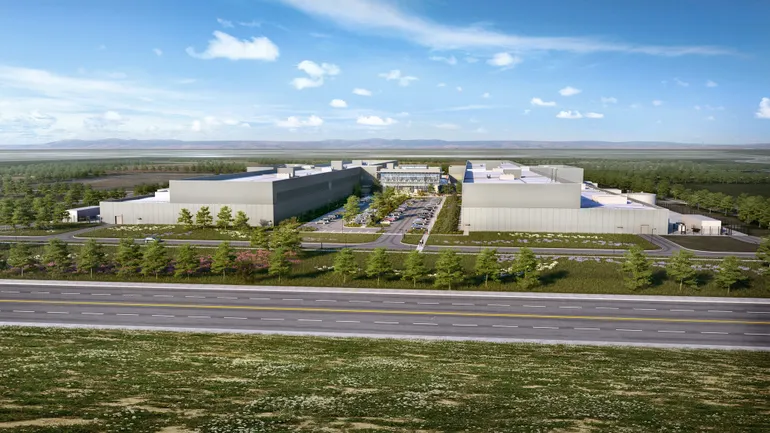
On Monday, Meta announced support for Texas Governor Greg Abbott's data center development regulations, which require ongoing reviews of all data center projects in the state to ensure Texans are not negatively impacted by AI data center construction. Under the framework, the Electric Reliability Council of Texas and the Public Utility Commission ensure developers foot the bill for all resources they use, and developers must obtain approval within those parameters before launching projects.
Meta pledged support while noting it already pays the full cost of energy and water used in its data centers, and that it has built new grid infrastructure where required to minimize impacts on local residents. Last week it also outlined community benefits from its developments, citing expanded job opportunities and reduced utility costs.
The scale of the backlash
Opposition is substantial. Per a recent Time report, only a third of Americans approve of the current pace of data center development, and more than 300 cities, towns and counties have enacted bans or moratoriums on hyperscale data center construction.
Against that backdrop, the Texas agreement is a real win. It secures a development path in exchange for compliance, and it helps establish parameters Meta can point to when similar guidelines appear in other states.
When endorsing regulation is the strategy
Backing rules rather than resisting them makes sense when the rules are coming regardless. Clear parameters reduce project delay risk, and early supporters get some influence over how the parameters are drawn. A statewide process is also more predictable than fighting community opposition project by project.
This does not mean Meta welcomes regulation generally. For the company's stated position on AI policy, see Zuckerberg's 6,500-Word AI Manifesto; for the broader trust problem that data center disputes feed into, Meta's AI Plans Run Into a Trust Problem, Not a Technical One.
The marketing read
Infrastructure disputes become brand disputes. Local conflict over data centers shapes sentiment toward the platform, and sentiment shows up in how its advertising is received. Buying predictability by accepting regulation early is also a usable playbook for brands facing regulatory change in their own categories.
FAQ