
Ad Tech아이보스
Karrot Ads Adopts MCP for Conversational Campaign Analysis in ChatGPT and Claude
Karrot Ads MCP connects AI tools to business accounts for natural-language budget and performance analysis, with campaign creation and editing planned next.

Korean telecom KT has launched Barogwanggo 2.0, an out-of-home advertising platform that unifies out-of-home (OOH), IPTV, and partner-media ad buying in a single system. Built on an Open DSP structure that lets advertisers plan and execute campaigns directly, it signals a shift away from the traditionally closed, opaque way OOH inventory has been traded.
Buying OOH advertising has typically required going through media owners or agencies just to see pricing and availability. Barogwanggo 2.0 publishes real-time pricing, inventory, and campaign status by media type, letting advertisers compare products and execute directly. Because it runs on an Open DSP, it effectively brings programmatic buying — long standard in digital advertising — into the OOH space.
Data is central to the platform. It combines foot-traffic, commercial-district, and traffic-volume data with historical campaign data to sharpen targeting, and offers AI-based media recommendations along with OTS (Opportunity To See), an exposure-estimate metric that lets advertisers gauge expected reach before a campaign runs.
Through the platform, KT is pushing a shift toward programmatic CPM (cost-per-mille) billing and leveraging its own OOH assets — including the massive dual media wall "KT Square" (1,770㎡) at its Gwanghwamun headquarters — to boost both ad performance and operational efficiency. By bundling IPTV and partner media into a single platform, advertisers gain the added benefit of consolidating campaign management that was previously scattered across channels.
OOH advertising has long been deprioritized in brand budgets partly because its effectiveness was hard to quantify. As real-time pricing and exposure-estimate metrics like OTS become standard, OOH can be folded into the same pre-campaign simulation and post-campaign verification workflow marketers already use for performance channels.
Three practical steps worth considering: (1) use foot-traffic and commercial-district data to select OOH media around store locations or target audience flow paths for localized targeting; (2) run cross-channel campaigns combining OOH with IPTV and partner media to keep messaging consistent across on- and offline touchpoints; and (3) as billing shifts to programmatic CPM, build the internal capability for existing digital-ad teams to manage OOH buying as well. To plan a channel strategy, explore Best Partner's services or get in touch.
It publishes real-time pricing and campaign status by media type and runs on an Open DSP, letting advertisers plan and execute directly — unlike the traditional model that required going through media owners or agencies.
It's an ad exposure-estimate metric that combines foot-traffic, commercial-district, and traffic-volume data to let advertisers gauge expected reach before a campaign runs.
It's a 1,770-square-meter dual media wall at KT's Gwanghwamun headquarters in Seoul, one of the flagship OOH assets used on the Barogwanggo 2.0 platform.
To apply what you just read to your own site, start with a free audit of where things are now.
A strategist replies within 24 hours on business days.
Karrot Ads MCP connects AI tools to business accounts for natural-language budget and performance analysis, with campaign creation and editing planned next.
Google's conversational AdSense Help guide now reaches all English Help Center traffic. It covers onboarding and troubleshooting, but Google says answers may be wrong.
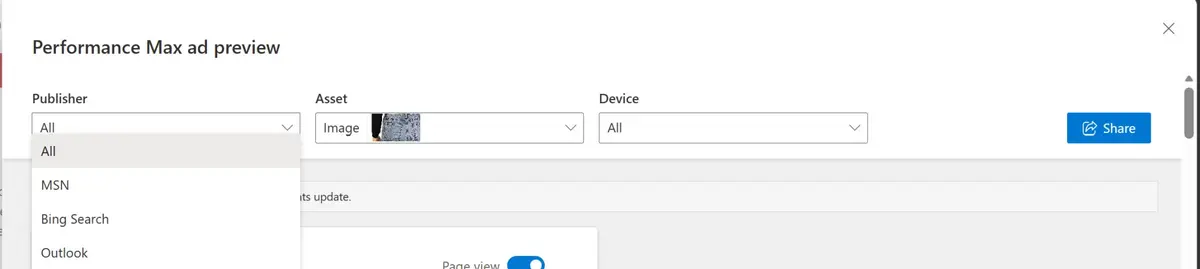
Advertisers can now preview how PMax assets combine across placements before launch, and share a secure link so stakeholders can approve creative without account access.