2026 is a year packed with major sporting events — the Winter Olympics, the World Cup, the Asian Games. In the past, sports interest in Korea spiked around events like these and faded afterward. This time feels different: people of all ages run along the Han River, and subway commuters routinely carry team merchandise. A long-established industry has quietly become a growth sector. According to a survey by Korea's Ministry of Culture, Sports and Tourism, domestic sports industry revenue hit a record ₩84.7 trillion in 2024, up 4.5% year-over-year and 60% over five years since 2020.
Doing: The Industrialization of Self-Care
As the belief that "everyone needs an exercise routine" spreads, repeat purchases of everyday fitness gear are rising. Sporting goods sales grew fastest among subcategories, at 6.4%, led by running shoes and functional apparel. Discount retailer Daiso has expanded its sporting goods lineup, and hybrid fitness competitions like HYROX — alternating 1km runs with functional workouts — are drawing enthusiasm. The psychology behind it: in an uncertain era, few things guarantee a return on effort the way exercise does.
Watching: The Industrialization of Event Experience
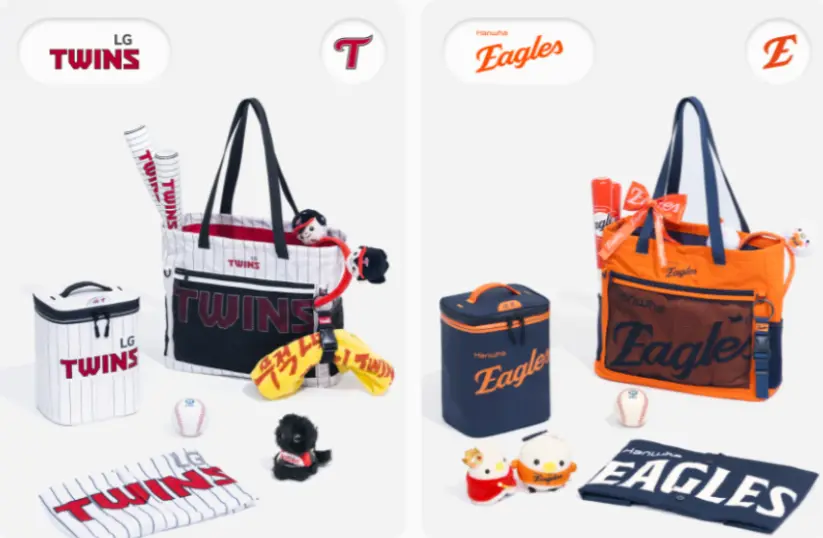
Korean professional baseball attendance passed 10 million in 2024 and topped 12 million in 2025. The composition of that crowd has shifted notably: according to ticketing platform Ticketlink, 57.5% of online ticket buyers were women, and 63.6% were in their 20s. What draws them to the stadium isn't the game itself so much as the offline-only experience — instant photo booths with player collaborations, custom fan merchandise, and stadium food unique to the ballpark. Group chant videos drawing comments like "this is what humanity feels like" show just how irreplaceable the live experience has become.
Consuming: The Industrialization of IP
The axis of sports consumption is shifting from performance, rankings, and records toward off-field narrative and community — sports fandom increasingly resembling idol fandom. Official league collaboration merchandise now adds details like mesh pockets and D-rings that plug into bag-decorating culture, and fans display their taste openly. Globally, Netflix's Formula 1 docuseries is the clearest example: by immersing viewers in teams' behind-the-scenes stories and drivers' personal narratives, it converts casual viewers into fans consuming an entire "world," not just a race.
The piece reads this as a paradox of the AI era: the more generative AI replaces labor and floods feeds with addictive content, the more people crave the opposite — the sense of achievement that comes from moving their own bodies, the camaraderie of feeling something alongside tens of thousands of strangers, and human narrative over flashy technology.
What Marketers Can Learn
The core shift is that sports has expanded from a "game product" into an "experience and IP product." Marketers should design fans as community members, not spectators — building shareable offline experiences like merchandise, food, photo moments, and group chants regardless of the score, and treating athlete and team narrative as content IP for sustained engagement. The shift in stadium demographics — women and people in their 20s now making up the majority of online ticket buyers — signals real upside in redesigning fan culture and merchandise around this generation's taste.
Even for brands with nothing to do with sports, the three axes at work here — achievement, presence, and narrative — are universal principles of experience design that resonate with AI-era consumers. For help translating these principles into your own brand experience, see Best Partner's portfolio or explore our services.