OpenAI moved ChatGPT ads in Korea from a June beta to full availability in August, putting brand messages inside the conversation instead of a list of search results. Elephant Company, a Korean SEO and GEO consultancy, ran a proof-of-concept campaign aimed at B2B buyers and published the numbers. Here is what marketers can take from it.
How ChatGPT ads differ from search ads
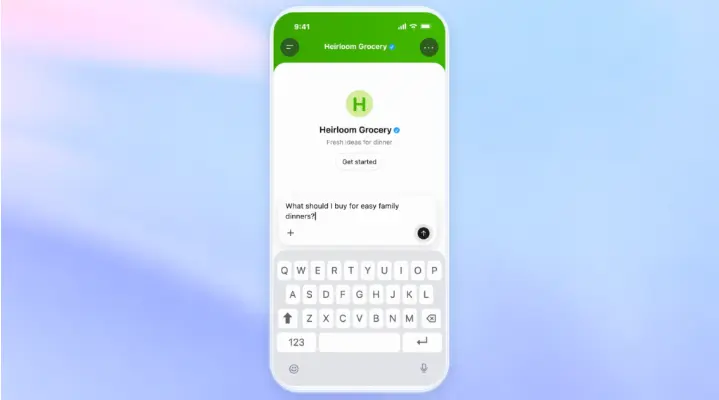
Search ads match a typed query. ChatGPT ads read the whole conversation: the problem, the goal and the constraints a user describes. The ad appears in a space separated from the AI answer and is shown to adult users on the Free and Go plans.
- Campaign objectives: reach, clicks, conversions
- Formats: standard ads and product feeds
- What advertisers see: aggregated, de-identified performance data
- What advertisers cannot see: chats, chat history, memory or personal data
Context hints are signals, not targeting rules
Advertisers can enter keyword-style terms or full prompt-style sentences as context hints. These do not mean "show this ad only to people who typed this." They are inputs the system weighs when judging relevance. The practical shift is to design around how customers phrase their problems rather than around demographics.
How the test was set up
The question was simple: can a brand reach the right B2B conversations? Reach, click and conversion campaigns each had four ad groups:
- Keyword hints × decision-makers (e.g., "GEO agency," "SEO consulting")
- Keyword hints × practitioners (e.g., "what is SEO," "blog SEO")
- Prompt hints × decision-makers (e.g., "Where should we invest first for AI search: SEO, PR or content?")
- Prompt hints × practitioners (e.g., "How do I rewrite old blog posts for GEO?")
Ad images rendered at roughly 150–200 pixels, so each image carried one idea. Headlines and landing pages did the persuading.
Results: display-like CTR, different context
CTR came in at 0.53% for reach, 0.68% for clicks and 1.01% for conversions, which is within normal display ranges.
Prompts caught exploration, keywords caught defined demand
- Reach: prompt hints 0.55% CTR vs. keyword hints 0.37%
- Clicks: prompt hints 0.76% vs. keyword hints 0.61%
- Conversions: keyword hints 1.13% vs. prompt hints 0.94%, with lower CPC
The consultation requests that did come in, however, came from prompt-style groups. Click efficiency and conversion potential are not the same thing.
Problem specificity mattered more than job title
In click campaigns, decision-makers and practitioners had similar CTRs (0.69% and 0.68%), but decision-makers cost less per click. In conversion campaigns, decision-makers reached 1.23% CTR vs. 0.87% for practitioners. Questions about budgets, vendors and results turned into clicks more readily.
A six-step checklist for a first ChatGPT ads campaign
- Give each campaign one job: reach, clicks or conversions.
- Segment personas by question intent, not age or gender.
- Run keyword hints and prompt hints in separate ad groups.
- Offer the next step after the user's question, and keep ad copy and landing page aligned.
- Assume a tiny placement: one message per image.
- Verify UTMs and GA4 events by hand before launch.
Step six bit the test team. They assumed UTM values would be substituted automatically, and platform clicks drifted from GA4 users as a result.
What this means for marketers
ChatGPT ads do not respond to the usual performance levers alone. Start with a map of the questions buyers ask at problem-recognition, comparison and purchase stages, and build content that answers each one. Feed the questions that drive engagement back into FAQs, blog posts and service pages.
For the next step in conversational ads, see OpenAI tests sponsored AI agents. For the visibility basics behind AI answers, read Ranking well but missing from AI answers.