TikTok owner ByteDance announced a new agreement with the Motion Picture Association that will add more guardrails against IP infringement to the AI options ByteDance offers.
How it started
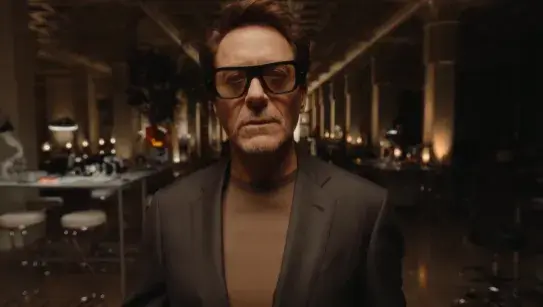
In February, the MPA called on ByteDance to implement more restrictions on the use of its Seedance AI video generation tool. Videos produced by the app had included AI versions of actors depicted in realistic-looking scenes — one widely circulated creation showed Brad Pitt and Tom Cruise fighting on a roof.
The MPA's cease-and-desist letter pressured ByteDance to put protections in place against unauthorized use of actors and other studio-owned IP. That initial step was the seed of this agreement.
What was agreed
Per ByteDance:
"The Motion Picture Association and ByteDance today announced they have reached a Memorandum of Understanding (MOU) reflecting a shared framework to maintain strong guardrails on generative AI video and image models like Seedance and Seedream — offered by TikTok, the TikTok USDS Joint Venture, CapCut and Dreamina, among others — with the goal of protecting intellectual property."
The aim is to prevent people from using AI models in TikTok to generate video clips of IP protected by the film and television industry. At least, in theory.
ByteDance said the agreement represents significant cooperation between the two organizations, adding that the latest versions of its Seedance models now include advanced IP protections.
The limits are clear
The agreement is a small step toward protecting IP in AI-generated content. Many AI tools still enable users to generate false and misleading depictions of recognizable people and characters, and policing that misuse will be a key challenge of the AI era. What agreements like this establish, for now, is a more direct line of communication between the parties involved.
What this means for marketers
Three practical implications.
First, the legal safety of assets made with platform AI tools varies by tool. "Generative AI video" carries different IP risk depending on which model produced it. That CapCut and Dreamina are explicitly named in this MOU matters directly to teams using those tools inside brand production workflows.
Second, voluntary agreements move faster than regulation but bind less. An MOU is not law. Assuming the platform will filter everything is risky. If a recognizable person or protected character ends up in your asset, the brand is the responsible party regardless of the tool's guardrails.
Third, the shape of IP negotiation is shifting. Here, a rights holder pressured a platform into self-regulation. In the opposite direction, Disney opened its IP to TikTok under controlled-sharing conditions. Both movements are underway simultaneously, and brands should know which contractual structure their assets are being created under.
For brands running campaigns inside the TikTok ecosystem, requiring creators to disclose whether AI generation was used and which tool produced it is the practical line of defense. In large hashtag campaigns like TikTok's Music on Stage, brands can't control the provenance of participating content, which makes upfront guidelines matter more.