AI changed the speed of content production. Brands can now generate copy, produce images, cut short-form video and mass-produce channel-specific assets. But has the number of people who actually like the brand grown with it? That question opened a MAX SUMMIT 2026 session on brand content.
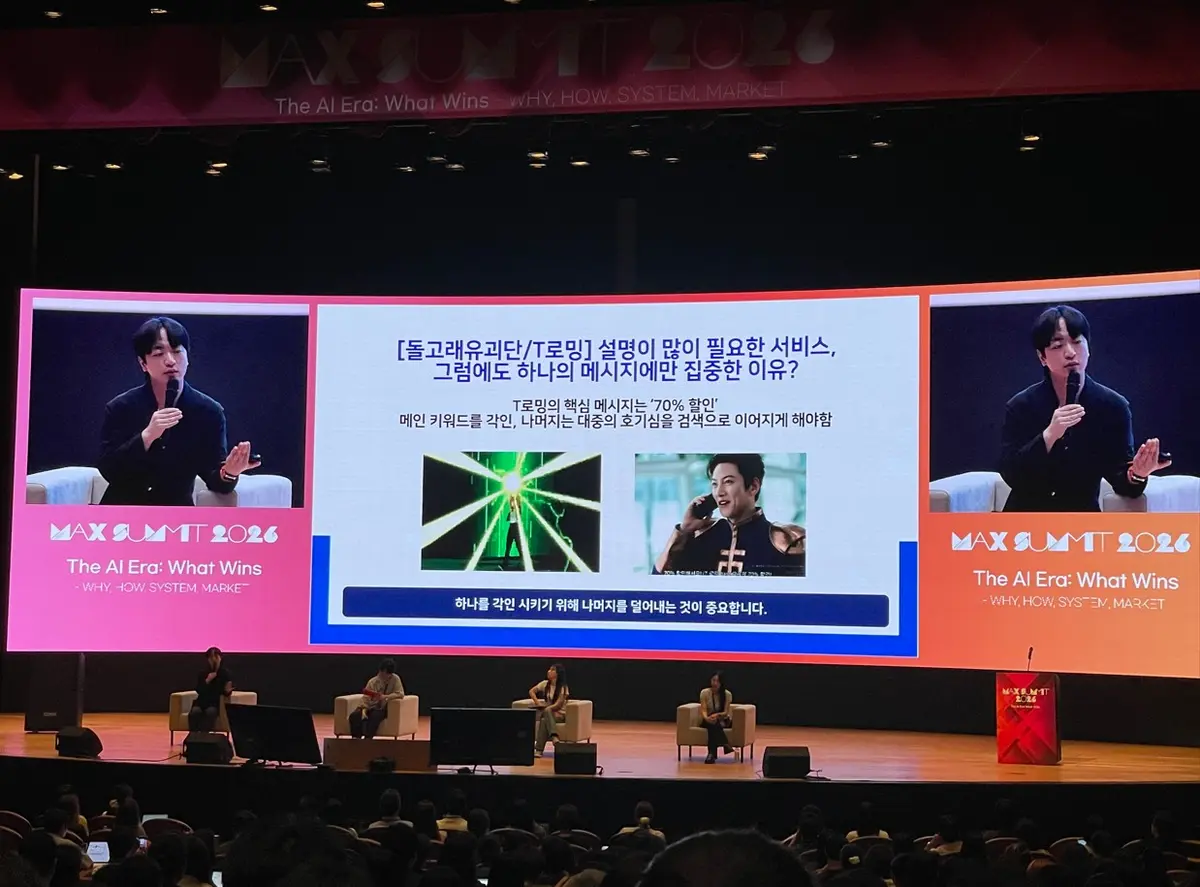
Held August 3–4 at COEX in Seoul under the theme "The AI Era: What Wins," the session — "What's different about brand content planning that builds fandom in the AI era" — brought together moderator Sunwoo Ui-seong of Ucrab Marketing with director Lee Ju-hyung of Dolphinsfilm, IT YouTuber Kim Ju-yeon, and producer Bae Chae-min of Toss's Moneygraphy channel.
The recurring conclusion: fandom only forms when a brand message becomes content, and that content is consumed repeatedly until it becomes an asset.
More content, not more fans
Easier production does not mean better content, and it certainly does not mean more people love the brand. There has to be a reason someone watches to the end, returns, and shares.
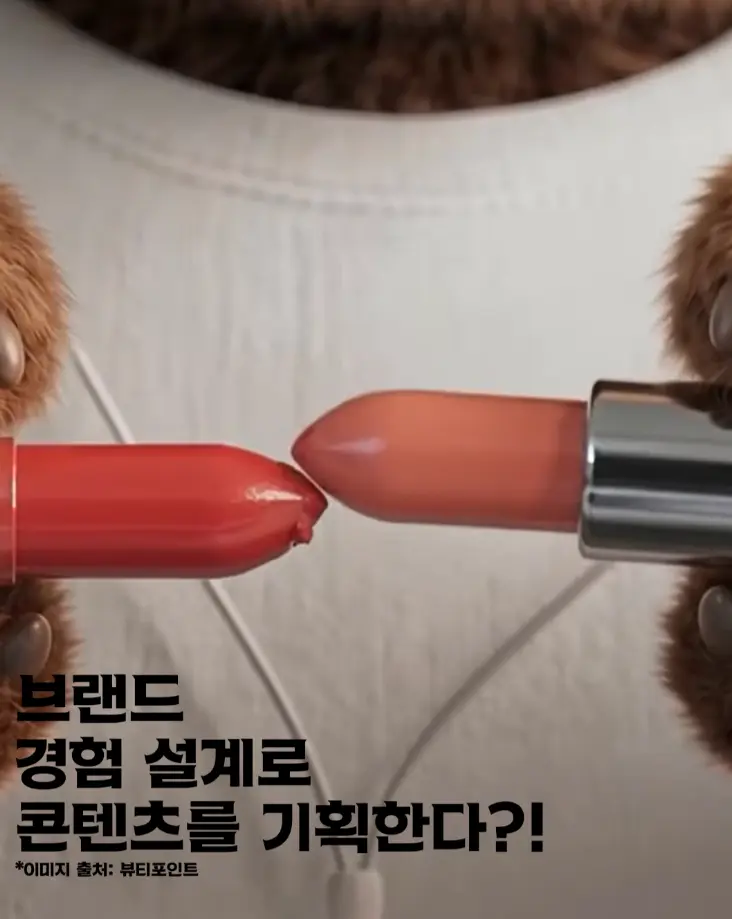
Sunwoo argued that brand content must start from the brand message. Entertainment matters, but if the entertainment does not connect to what the brand is trying to say, consumption is one-and-done. Content that builds fandom does not begin with "what should we make?" It begins with what story the brand should tell and what emotion that story should leave behind.
Messages are translated, not explained
Good brand content does not list what the brand wants to say. It converts it into something people understand, get curious about and watch through — closer to translation than explanation.
Lee described work for SKT's AI service. The product was still maturing: emphasizing only strengths would read as exaggeration, but exposing weaknesses was not an option either. The solution was finding the common ground that AI and humans both learn and grow — reframing incompleteness as "learning," which produced the message of an AI that understands people and the world of an "AI school."
Toss's Moneygraphy took a parallel path. Bae explained that building fandom for the content itself mattered more than leading with the brand: rather than delivering Toss's message directly, the show lets people discover finance and economics inside conversations they already enjoy.
Leave one thing and people remember it
The common trap is trying to say everything at once — product benefits, service features, campaign purpose, brand philosophy. Audiences do not remember all of it, and stacked messages weigh down the flow and create exit points.
Lee argued for choosing the single USP most likely to stick and deliberately cutting the rest, leaving people to search and act on the remaining curiosity themselves.
Kim's video about ASML followed the same logic. Semiconductor equipment is hard to make interesting, so she reframed it around "a machine worth ₩200 billion," then translated the technical complexity into sensation — wearing a cleanroom suit on site, and an analogy about precision equivalent to hitting a coin on the moon from Earth.
Emotion is what survives
Emotion came up repeatedly. Lee traced the reason certain ads keep resurfacing years later to their ability to move people — laughter, moving moments, fear, catharsis. Advertising usually stops being consumed when the flight ends; content keeps getting pulled back up, shared and used as someone's reference, which is what turns it into a brand asset.
Bae described the key to holding attention through long-form as "wanting to join the conversation": take a subject everyone knows, and have someone who genuinely knows it deeply talk about it in their own language.
Kim's air purifier video made invisible performance visible by staging an extreme situation. Viewers did not arrive for a product explanation; they arrived curious about what would happen, and understood the product along the way.
It is a design problem
AI learns from enormous volumes of content and recombines it quickly, making references and format-matching easier than ever. That is precisely why the planner's role gets clearer. AI accelerates execution; what the brand should say and how it should be remembered stays a human judgment.
The more content there is, the more the deciding skill becomes what to leave rather than what to add.
For designing customer time as brand experience, see What Sulbing and Terarosa Actually Sell Is Time; for when humor works with younger audiences, see Snapchat Tries to Teach Brands to Be Funny.