AI is accelerating marketing fatigue
Generative AI lets teams produce ads and content faster than ever. The result, argues Korean consultant Park Sang-hoon of Planbro, is a flood of uncanny AI images and video, copy that doesn’t sound human and ads that look factory-made. Choices made for productivity can end up irritating customers and costing sales. Marketing performs best when it is different, so while nearly every company pursues AI transformation, non-selling marketing ideas that feel human become the differentiator.
Case study: an AI automation startup hired buskers
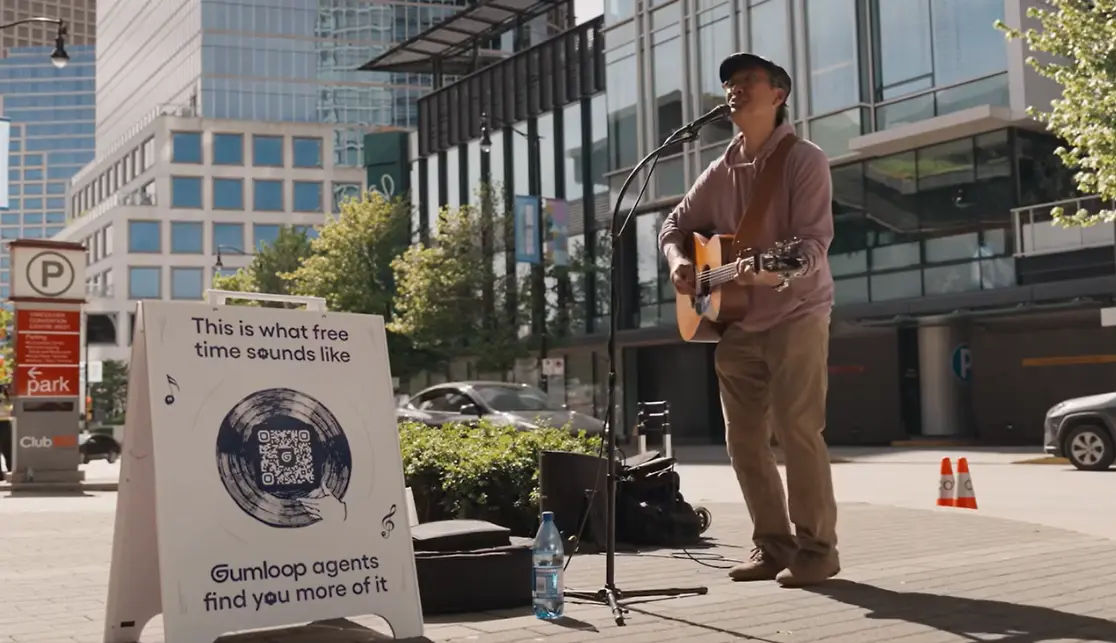
Gumloop helps people automate work with AI agents, yet its own marketing made a choice no AI agent would. It spent budget hiring street musicians to perform next to QR-code signs linking to its website. The signs skipped the usual “automation” and “productivity” talk and carried one message: the freedom people gain when work is automated. A video of the campaign drew more than 2,300 likes and 200 comments on LinkedIn.
Put 20–30% of budget into relationships
It’s hard to justify big spend on activities with unmeasurable ROI. The author suggests setting aside roughly 20% to 30% of the marketing budget for building person-to-person relationships without a sales goal. Plan against questions like: Will this make prospects smile? Will they feel helped? Will they tell others about us? Will they remember us as good people before they think of us as a good company?
Ten ideas by category
- Pet brands: Offer free rides from a large pet fair to the nearest station or home for owners who came without a car. Add a water station or a vet consultation booth if budget allows.
- B2B startups: Partner with cafés near target customers’ offices on a menu item or cup sleeves with conversation-starting messages — talking points, not logos.
- Apartment residents: Work with building management to add a bench or refresh worn facilities. Domino’s once repaved potholed roads with local governments so more pizzas arrived intact.
- Fitness brands: Partner with gyms or Pilates studios on post-workout recovery massages or sportswear rentals during classes.
- Accounting and legal services: Run a free anonymous advice service and regularly publish answers that help many people.
- Sudden rain: Hand out umbrellas or rain ponchos near campuses or stations, designed to spark conversation.
- Runners: Provide lockers or temporary changing space on popular routes, or regular after-work run programs.
- One subway ad slot: Run an ad that sells nothing — a QR code to a commute playlist or a site of travel soundscapes.
- Families with kids: Sponsor evening magic or art performances in parks and co-create a show carrying your message.
- Lunch for influencers: Send lunch with a playful note to people who influence your prospects.
Some ideas may require permits, agency approvals or legal review. Adapt the elements to your audience, product and brand message.
Intent and choice make the difference
As AI grows more capable, what remains distinctly human is intent and choice: the intent to deliver warmth before revenue, and the choice to go against the pattern everyone else follows. Platforms are already building antibodies against AI slop, and Google’s own guidance found a human voice is worth 12% in YouTube conversions.
If you’re planning Q4, add one non-selling line next to automation and performance. Measure it through relationship signals — branded search, unprompted mentions and shares, on-site participation — so the budget can defend itself.