YouTube has published a set of practical YouTube Shorts tips for making the most of its fastest-growing format. YouTube culture and entertainment editor Julia Lee Harter laid out how to spot trends quickly, use interactive features to engage viewers, and grow engagement across a channel as a whole.
Five Ways to Spot Trends
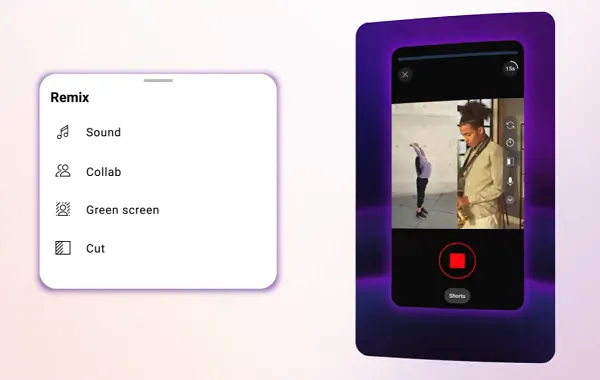
Harter outlines five approaches to finding what's trending on Shorts. First, use the Remix feature — reuse audio, build collaborative content, apply green-screen effects, or rework existing clips to ride an existing trend.
Second, tap trending audio by browsing the Audio Library in the "Add Sound" menu to see what's currently performing well, then folding that sound into original content. Third, explore hashtags — clicking into related tags like #booktube or #cleanwithme opens pivot pages Harter calls "a goldmine of ideas." Fourth, use templates, which help maintain consistent timing, cuts, and music across videos while building editing instincts and pacing. Fifth, keep an information channel open by following the official YouTube blog to stay current on emerging trends and creator case studies.
Driving Engagement with Interactive Stickers
Harter highlights interactive stickers as key engagement tools. The Poll sticker lets viewers vote on either/or questions, feeding direct input into content strategy. The Quiz sticker presents two answer options with one correct. The Q&A sticker lets viewers type in their own answers — Harter calls it "a goldmine for future video ideas." The Add Yours sticker prompts viewers to create linked Shorts responses, expanding reach organically.
To grow engagement channel-wide, Harter recommends watching comment reactions and turning standout comments into content — "make that user the star of your next video." She also advises linking Shorts to long-form content and using clear calls to action to move viewers into longer videos. The scale here is real: Shorts daily views grew from roughly 30 billion in 2022 to about 90 billion as of March 2025.
What Marketers Should Take From This
The explosive growth of Shorts confirms that short vertical video is no longer experimental — it's a required channel. What stands out in this guide is its emphasis on turning reactions into data rather than just deciding what to create next. Poll, quiz, and Q&A stickers aren't just engagement gimmicks; they're real-time research tools that surface audience interest directly, without a separate survey.
The advice to link Shorts and long-form video also maps onto a clear funnel strategy: short video as top-of-funnel discovery, long-form and subscriptions as the conversion point. Making a habit of monitoring trending audio and hashtag pivot pages regularly can help a brand's content workflow win both algorithmic reach and community-building at once. For help building out a short-form video strategy, Best Partner's services can support your content plan.