South Korea's Broadcasting, Media and Communications Commission plans to unveil a comprehensive support package for the pay-TV industry in the second half of this year, aimed squarely at an industry squeezed by subscriber losses and shrinking profitability. Pay-TV regulation in Korea is set for its broadest easing in years, with advertising, sponsorship, ownership, and programming rules all on the table.
Why Now: OTT Growth and a Weak Ad Market
The pressure behind this shift is straightforward. Viewers have moved to OTT platforms in large numbers, undercutting the foundation of the traditional broadcast business, while a slumping advertising market has piled on further strain. The commission has been running a research group of experts and industry players to gather input on the response.
Deregulation as the Central Lever
The direction of the plan leans heavily on deregulation rather than direct support. Regulators are working to ease the financial burden created by home-shopping transmission fees, weak advertising revenue, and declining VOD sales, while also trying to spur new content investment.
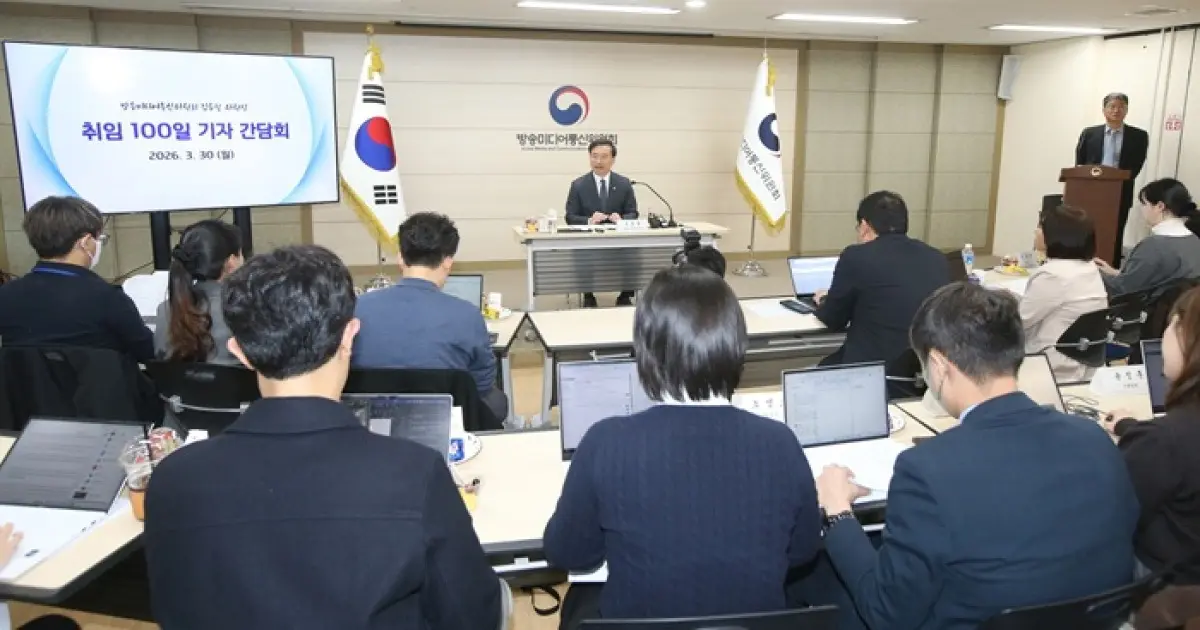
Concretely, officials are reviewing changes to ownership and cross-ownership rules, advertising rules, and programming rules. An enforcement decree revision to loosen broadcast advertising regulation is already underway, alongside a broader shift toward a "negative regulation" system — permitting activity by default and prohibiting only specific exceptions — along with related legislative and advertising/sponsorship reforms. Commission chair Kim Jong-cheol reaffirmed this direction at a press briefing marking his 100th day in office, signaling intent to loosen ad and sponsorship rules while also revisiting ownership and programming regulation.
What This Means for Marketers
If advertising and sponsorship rules are actually loosened, pay-TV channels could offer more flexible ad formats and brand sponsorship packages than they currently can — more room on product placement, sponsorship disclosures, and total ad load. Brand marketers who still use TV as a channel should watch for these new execution options as they take shape.
At the same time, deregulation alone won't reverse the audience shift that has already happened toward OTT. Easing supply-side rules improves the pay-TV business model, but it doesn't automatically win back viewer attention. The practical takeaway is to keep pay-TV as a viable channel for specific audiences, while redefining its role inside an integrated OTT-and-digital media mix rather than treating it as a stand-alone bet.
For help designing a channel mix across TV, OTT, and digital, Best Partner's services or get in touch to talk through your media plan.