Korean platforms are racing to lock in content and creators for the AI-search era, and the moves reveal what should matter most for marketers seeking AI search visibility: being the source AI cites, not just the page users click.
Platforms are paying creators to win AI search visibility
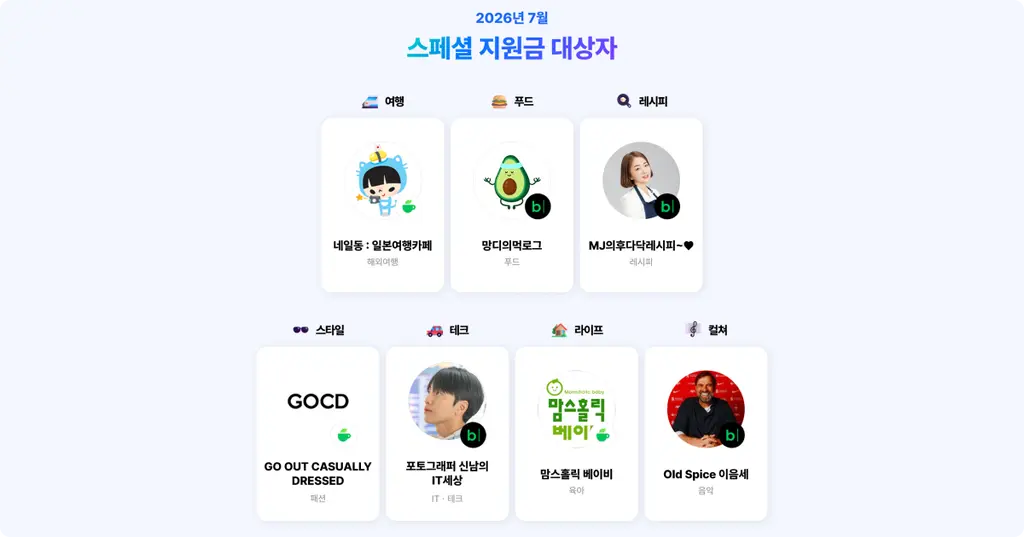
Naver unveiled "Naver Mate" special grants for creators whose user-generated content gets cited in its AI Briefing feature — paying 10 top creators across 10 categories roughly 10 million KRW a month, and 100 additional creators 3 million KRW. It's a lock-in strategy: secure high-quality content supply and keep creators inside Naver's ecosystem as AI search reshapes discovery.
The payoff is already visible. Naver's AI tab passed 10 million users just 18 days after launch, with daily queries up sevenfold versus beta, and shopping- and review-based recommendations increasingly driving purchases and bookings. Naver plans to introduce ad monetization in Q4. Kakao, meanwhile, rolled out AI features across KakaoTalk — conversation summaries, ChatGPT integration, image regeneration, and open-chat bots — deepening its own AI-driven engagement.
Commerce and advertising are shifting too
Carrot (Danggeun), with 20.64 million monthly active users, is expanding from hyperlocal classifieds into nationwide C2C commerce via direct-purchase and farm-produce stores — though trust management (payments, disputes) remains its key challenge. Meanwhile, traditional TV advertising remains resilient: in a Korea Broadcast Advertising Corporation survey, TV ranked #1 among eight media types for ad recall, trust, and purchase intent — proof that reach and trust still matter even as digital fragments attention.
Globally, Google is redesigning Image Search around a Pinterest-style personalized gallery for its 25th anniversary, adding interest-based recommendations, collections, and AI-generated images — rolling out first to signed-in U.S. desktop users. X is adjusting its algorithm to boost replies and posts between mutually-followed accounts, prioritizing relationship-based engagement.
What this means for marketers
The throughline is AI and conversion. As Naver, Kakao, and Google each push AI features and creator incentives, they are converting search, messaging, and image discovery from passive browsing into direct purchase and booking moments. Marketers should treat AI search visibility — getting content cited inside AI Briefing, AI Overviews, or similar answers — as a core content-strategy KPI, alongside classic SEO.
At the same time, TV's trust advantage and X's relationship-based algorithm shift suggest channel strategy should balance reach-and-trust plays with relationship-and-engagement plays. For campaigns needing broad awareness and credibility, revisit traditional media; for social, invest in genuine follower relationships rather than one-off engagement bait. Local commerce platforms like Carrot are also worth watching as a growing hyperlocal ad opportunity.
To build an AI-ready content and channel strategy, explore Best Partner's services.