Naver Smart Store has added a customer inquiry management menu and tightened seller response standards. For sellers, it is the week's most direct operational change.
The one-business-day rule, with teeth
- Customer inquiries must be answered within one business day
- Non-response draws a warning or account suspension
The stated aim is better customer experience and trust. What differs from before is that this is enforcement, not guidance.
What sellers should do now
- Set a check cadence — not once a day but a structure that cannot miss a business day. The window right after weekends and holidays is the risk zone
- Use advance notices — flag periods when replies may be slow, such as closures or volume spikes
- Assign an owner — if nobody is named for the inquiry menu, nobody reads it
Accounts that pile up inquiries usually do so not for lack of people but for lack of an owner.
The rest of the day's news
Most 23 July headlines were covered individually.
| Story | The point |
|---|
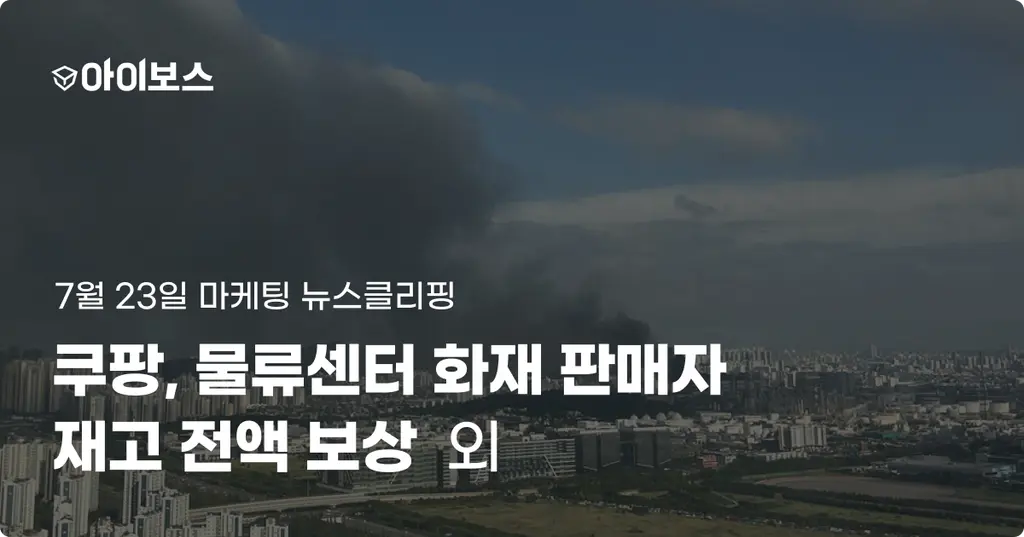
| Coupang compensates sellers for fire-damaged inventory | Paid ahead of the insurance process to shore up seller trust |
| Google AI search drives no-click surge | 75% of AI Mode users ended without an external click; US news traffic down 26% on average |
| KakaoTalk builds toward search-to-payment agents | Built on 21 services and 461 MCP servers, with commerce expansion in H2 |
| First enforcement under the ad pre-consent rule | A corrective order, the first since the rule arrived in 2022 |
| KT launches unified out-of-home, IPTV and partner ad buying | With AI-based media recommendations |
| K-beauty sweeps Qoo10 Japan Beauty Awards | 38 of 50 awards, with promotions running to 31 August |
The week in one line
The bar platforms set for sellers and advertisers is rising on several fronts at once. Naver attached penalties to inquiry response; the regulator issued its first enforcement on advertising cost disclosure. Coupang moved the other way, buying trust by paying compensation early.
When regulation and trust move in the same direction, the party with a response system in place pays less.