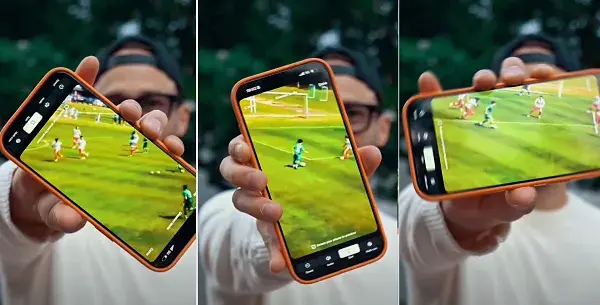
Capture modes only AI glasses can do
Meta shared examples on Instagram of new capture and editing options exclusive to its AI-enabled glasses. First previewed in June, the features are now being promoted as reasons to buy. The Meta AI glasses creator tools include:
- Spin view: when viewers turn their device, the video extends so they see more of the scene, a closer-to-life experience.
- Multi-cam: syncs video from a user’s phone and Meta AI glasses so audiences see both perspectives at once.
- Glasses-specific editing: new tools in Instagram for editing content captured with the device.
Multi-cam, combining first-person and third-person views, suits cooking, travel and product demos where both hands and the wider scene matter.
The backlash is growing
Negative sentiment around the glasses is rising as misuse stories emerge. Reports found some users deactivating the recording light to film people without their knowledge, and victims have found videos of themselves posted without consent. Regulators in several regions have opened investigations, protest groups are campaigning, and anti-AI-glasses posters have appeared in the London Underground. Meta is addressing concerns while promoting the device and hasn’t reported any direct sales impact.
What brands and creators should consider
A new first-person format
Hands-free first-person capture gives product demos and experiential content a new grammar, and multi-cam can show the viewer’s and the doer’s experience at once. It’s worth testing in creator collaborations.
Recording ethics is brand risk
If you use glasses-captured footage from stores or events, secure consent from people who appear in it. As covert-recording controversy grows, simply using such content can backfire. With Meta’s smart glasses getting banned in more places and Snap launching its $2,195 Specs, brands that set filming rules early will be on safer ground.