
Global Marketing아이보스
Kakao Files a KakaoTalk Trademark in Russia — Where Its Users Grew 82%
Sanctions on Telegram and WhatsApp opened a messaging gap that pushed KakaoTalk's Russian MAU to 436,000 — just as access restrictions began appearing.

The video with 2.4 billion TikTok plays doesn't star a conglomerate or a celebrity. It stars Anua, a Korean indie skincare brand built around a single ingredient — heartleaf (houttuynia cordata). The brand now sits at #1 in Amazon's US skincare category. Korean cosmetics exports hit $7 billion in the first half of 2026, up 27.3% year over year, after Korea became the world's #2 cosmetics exporter in 2025. But the sharpest point in this Mobiinside analysis lies past the headline numbers: K-beauty's growth can no longer be explained as shipping good products abroad. What's being exported is the entire journey — discovered in content, verified in search, purchased in local channels, and re-purchased on authenticity trust.
The top export destination in H1 was the United States at $1.45 billion — 20.7% of the total, up 41.5%. China fell 6.6% to $1.01 billion (14.4%). The operational meaning of that reversal: the old model of concentrating on one country's mega-platforms and distribution partners has given way to running search, content, and marketplaces across the US, Japan, Europe, and the Middle East simultaneously. Winning formulations, ad regulations, review languages, and delivery expectations differ by country — translating one global campaign doesn't capture local discovery context.
Anua (heartleaf, 2.4B TikTok views → Amazon #1), Beauty of Joseon (rice cream, Amazon bestseller), COSRX (snail mucin, long-running Amazon top ranks), LANEIGE (lip sleeping mask, a Sephora staple after a 12-year US build). The common pattern: imprint one ingredient or product through content, then connect it to search, reviews, and repurchase.
But views are not brand equity. If a hero product goes viral without connections to branded search, official retail channels, follow-up products, and CRM, the demand the platform created gets consumed inside the platform. Each content type needs a role: short-form shows the problem and the texture; search content explains ingredients and usage; product pages carry locally compliant claims and verified sellers.
Popularity breeds counterfeits. Per OECD data cited by Korea Customs, counterfeit goods infringing Korean companies' IP total $9.7 billion, with cosmetics at 10% of customs seizure value — third among categories. Official-seller marks, QR authentication, and counterfeit-reporting flows are no longer legal-team paperwork; they're marketing experiences that lower purchase anxiety.
The lessons travel beyond beauty. First, entry happens in the algorithm. A new brand's first meeting with a global consumer is a short-form feed, not a shelf — and instantly legible moments (before/after, unusual textures, a named ingredient) are what convert into search and reviews. Imprinting a brand through one focused content engine is the same grammar as MrBeast Doesn't Advertise Chocolate — Feastables' Five-Step Content Playbook.
Second, without designing what happens after discovery, virality becomes someone else's revenue. The same video leads to search and Amazon purchases in the US, reviews and offline trial in Japan, ingredient-transparency checks in the Middle East — dashboards should split journeys by country while tracking shared assets like branded search volume and authenticity trust. And the connective tissue between discovery and search is increasingly the text itself: as Instagram Published Its Caption Playbook — Captions Are Search Text Now showed, content is now a search index. K-beauty's next export shouldn't be another hero product — it should be the system that makes consumers in any market discover, trust, and return.
The US overtaking China as the top destination. US-bound exports grew 41.5% to $1.45B in H1 2026 while China fell 6.6% — forcing a shift from single-country concentration to running search, content, and marketplaces across multiple markets at once.
By imprinting a single ingredient — heartleaf — through TikTok content that accumulated 2.4 billion views, then connecting that attention to ingredient search, review verification, and Amazon purchase. A designed discovery-to-repurchase journey working alongside product quality.
Short-form creates interest by showing the problem and texture; search content verifies with ingredients and usage guidance; product pages confirm locally compliant claims and official sellers; post-purchase data feeds the next recommendation.
Because fakes destroy first brand experiences and raise purchase anxiety. Official-seller marks, QR authentication, and reporting flows built into the customer journey protect trust — a compounding marketing asset, not just a legal issue.
To apply what you just read to your own site, start with a free audit of where things are now.
A strategist replies within 24 hours on business days.
Sanctions on Telegram and WhatsApp opened a messaging gap that pushed KakaoTalk's Russian MAU to 436,000 — just as access restrictions began appearing.
Rakuten builds repeat purchase through bundles and high basket sizes; Qoo10 Japan acquires new customers through hero SKUs and Mega Wari. Their settlement cycles differ sharply.
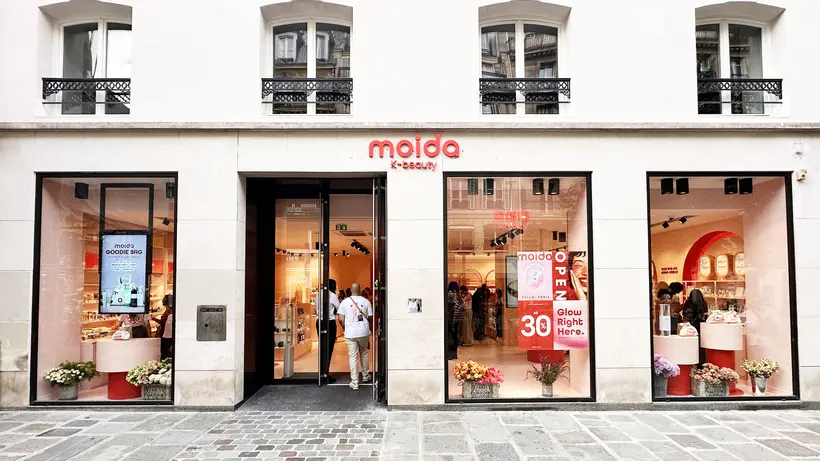
Goodai Global became a distribution hub by acquiring Hansung USA, Silicon2 expands its Moida stores toward 40 by year-end, and Olive Young exports its curation role.