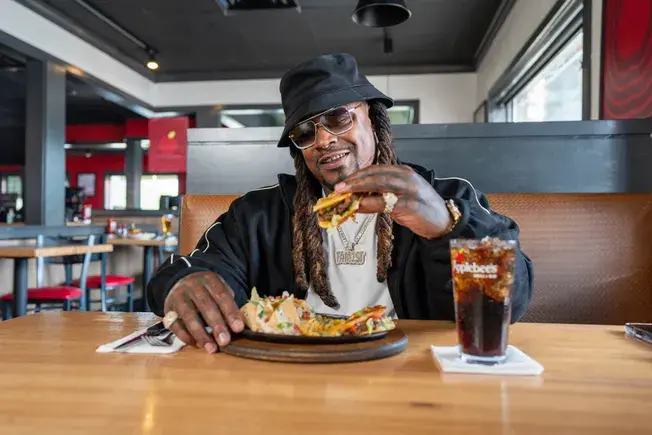
Applebee's O-M-Cheese Burger shows how a restaurant can turn a successful item into a repeatable platform. The $11.99 bacon cheeseburger is cut in half and dipped into a skillet of queso, and it sits within the chain's 2 for $25 value offer. Within months of launch, it became Applebee's most-ordered burger.
How the O-M-Cheese Burger expanded
Applebee's leadership said content featuring the burger generated more than 9 billion impressions, reached 96 million people on social media and produced nearly 80 times more organic views than traditional campaigns. The chain treated that response as evidence for a broader O-M-Cheese platform, combining familiar menu items with queso and melted cheese.
The follow-up O-M-Cheese-adilla Burger builds on the existing Quesadilla Burger with bacon and additional cheese while preserving the same theatrical experience. The idea adds surprise to a familiar product without abandoning value or operational feasibility. Applebee's evaluates concepts through desirability, value and feasibility.
Menu innovation works when product and content create the same scene
Cutting a burger and dipping it into cheese explains the product while producing a social-ready visual. The experience generates its own creative asset. Like Domino's Went Straight at the Big Mac and Whopper — “Pizza Can't. The Domino Can.”, restaurant marketing becomes stronger when a menu difference can be demonstrated in one memorable scene.
What makes a hit scalable
To extend a hit item, preserve the action customers remember. For Applebee's, that action is the cheese dip. New menu variants can change ingredients or partners while repeating the experience, building recognition without making every launch identical.