Fossil's Q4 2025 holiday campaign earned 58.8 million impressions, surpassing its initial goal of 14.7 million by nearly 400%. The driver was a multichannel strategy aimed at holiday travelers, combining AI audience targeting with a captive environment.
How it was built
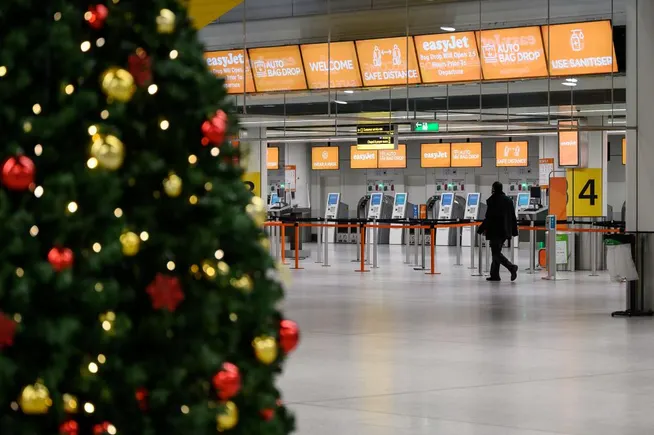
Working with ad-tech company Digital Culture Group, free ad-supported streaming TV network ReachTV and media agency Assembly, the watchmaker activated in six airports, on in-flight Wi-Fi with JetBlue and American Airlines, and on mobile — leveraging a captive airport audience during the heightened emotionality of holiday gift-giving.
AI informed decision-making and audience understanding. Digital Culture Group's AI-powered Audience Resonance Index identified three traveler profiles: tech-savvy watch enthusiasts, shoppers with household income of $75,000 or higher looking for premium items, and fashion-forward millennials likely to engage in gift-giving.
"During the most competitive retail window of the year, we helped Fossil break through by meeting style-conscious holiday travelers at moments of peak attention, when time, intent and mindset aligned," said Lynnwood Bibbens, founder and executive chairman of ReachTV.
Channel results
Creative ran at LaGuardia in New York plus travel hubs in Dallas-Fort Worth, Houston, Los Angeles, Atlanta and Chicago.
- ReachTV's "Airport Fits" franchise: 45.5 million TV impressions, 87,000 social views, 6,200 interactions on the brand's Instagram and TikTok
- In-stream airport video during NBA games: 9.1 million impressions
- Mobile retargeting of travelers exposed to ReachTV ads: 8,089 clicks, 3.77 million impressions
- In-flight Wi-Fi pre-roll: click-through rate above 50%, routing to a virtual pop-up shop
Where AI targeting actually stands
AI is working its way into nearly every part of advertising, including audience targeting. It promises efficiency and accuracy, but concerns around measurement, accuracy and accountability remain.
Fossil has experimented before, generating a 57% lift in recall and a 10% increase in awareness for its "Big Tic" campaign using InMobi's full-funnel solution. Fossil Group, which also owns Michele, posted Q1 sales of $224.8 million, down 3.6% year over year. CEO Franco Fogliato said agentic AI is of particular interest to the company, including in marketing.
The read
The genuinely novel part here is context selection, not AI. Airports combine long dwell time, mobility and already-activated gifting intent. AI profiling organized who saw which creative inside that environment.
Read the 50%-plus in-flight click-through rate with the channel in mind — captive users have few alternative actions. Rather than benchmarking that number against other channels, look at what those clicks did inside the virtual pop-up shop. For seasonal timing, see Meta's 2026 Holiday Data — 28 Days From Black Friday to Christmas; for the realistic ceiling on automation, see Google Finds AI Is Still a Collaborator, Not a Replacement.