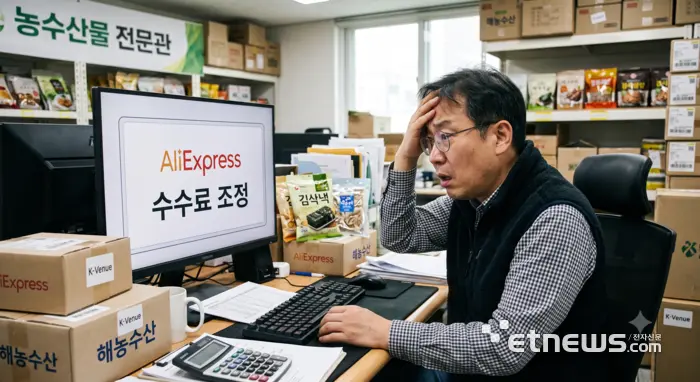
AliExpress raised selling commissions for Korean local sellers in several categories starting in August, adjusting 67 detailed categories in a single day.
What changed
- Cameras: 5.5% → 6.6%
- Some food and copy paper categories: 6.6% → 8.8%
Separately, the "0% commission for 90 days after onboarding" offer for new sellers ended in June. A support program refunding 50% of selling commissions for up to one year, limited to one store operated by a small or midsize business, remains in place.
The industry read: rent-free is over
Observers describe the move as normalization after a "rent-free" acquisition strategy. Chinese cross-border platforms leaned on waived onboarding and selling fees to build Korean market share; this marks the shift into monetization.
A large seller exodus looks unlikely. Only 67 categories changed, and average commissions at major Korean marketplaces run around 10%, so AliExpress remains cheaper even after the increase. But in price-sensitive categories — food especially — pricing and sales strategy will have to be reworked.
The math sellers face
A 2.2 percentage point increase (6.6% to 8.8%) is not small where margins are thin. On a product carrying a 15% margin, roughly 15% of net profit disappears. That turns immediately into a decision about raising prices, cutting ad spend, or shifting channel mix.
It also changes the diversification calculation. As fee gaps between platforms narrow, the remaining variables are traffic quality and seller support policy. For how Korean marketplaces pivoted toward competing for sellers, see Korea's Open Marketplaces Shift From Chasing Buyers to Growing Sellers.