
Startups모비인사이드
Trainer, Coach, Director: The Three Personas Every Startup Team Lead Must Master
First-time startup team leadership means moving past individual-contributor habits. Here's the trainer-coach-director growth framework.

Over five years, one startup founder gave more than 50 investor pitches — demo days, VC meetings, accelerator programs, any room where investors would be. The result: zero dollars raised. The twist is what happened to the business in the meantime: it generated revenue from year one, never posted a losing year, roughly doubled revenue annually, and is targeting KRW 10 billion in 2026 revenue — all without outside capital.
The founder identifies three reasons startup fundraising never worked out. First, the business model kept changing shape — from cosmetics manufacturing services, to a global cosmetics manufacturing platform, to launching an in-house brand — making "what does this company actually do" hard to answer in one sentence.
Second, the company sat in an awkward space between accelerator-stage and VC-stage. Early on it looked like an accelerator case; once revenue crossed KRW 1 billion, VCs took interest, but the business wasn't large enough to show the explosive growth trajectory VCs expect.
Third, having revenue at all read as a lack of urgency. A company already generating revenue can look like it doesn't need funding right now, making it hard to build a concrete case for why capital was needed in that specific moment.
The biggest lesson was about how investors think: "investors aren't looking for good people, they're looking for good bets." Diligence builds trust, but trust alone isn't a reason to bet. He also saw the market logic play out directly — a strong company outside an investor's hot sector struggles for attention, while a weaker company riding a trend gets funded anyway.
IR pitching had a hidden benefit, too. Preparing each pitch forced deeper analysis of the business — strengths, weaknesses, market size, and competitors, revisited again and again. Dozens of investor conversations broadened his view of the market, and conflicting advice taught him to hold a stable center: "I know this business better than anyone." His conclusion: fundraising is a means, not an end. There's a right timing for it, and when a company is ready, the opportunity shows up.
This story is a reminder to keep the "fundraising narrative" and the "actual business narrative" separate. The language that convinces investors and the language that convinces customers are not the same. A business model that resists a one-sentence definition is a weakness to an investor but can be a strength to a customer absorbing varied demand — the same fact reads completely differently depending on who's hearing it and how it's framed.
The IR process itself doubling as a strategy audit is also worth borrowing: repeatedly clarifying strengths, weaknesses, market size, and competitors is exactly the groundwork campaign planning and positioning need. And holding onto "we know this business best" amid a flood of conflicting outside advice and data is just as useful for marketing decisions as it is for fundraising ones.
For marketers and founders navigating how to tell both stories well, Best Partner works with growth-stage teams on positioning, or get in touch to talk through your situation.
Three reasons: a business model that kept evolving and resisted a one-sentence description, an awkward fit between accelerator and VC funding stages, and existing revenue that read as a lack of urgency to investors.
Investors aren't looking for trustworthy people, they're looking for good bets — sincerity builds trust but isn't itself a reason to invest, and sector trends often matter more than company quality.
Preparing repeated pitches forced deep, recurring analysis of strengths, weaknesses, market size, and competitors, and conversations with dozens of investors broadened the founder's view of the market.
Fundraising is a means, not an end — a company can grow profitably without it, and the right timing and readiness will eventually create the opportunity.
To apply what you just read to your own site, start with a free audit of where things are now.
A strategist replies within 24 hours on business days.
First-time startup team leadership means moving past individual-contributor habits. Here's the trainer-coach-director growth framework.
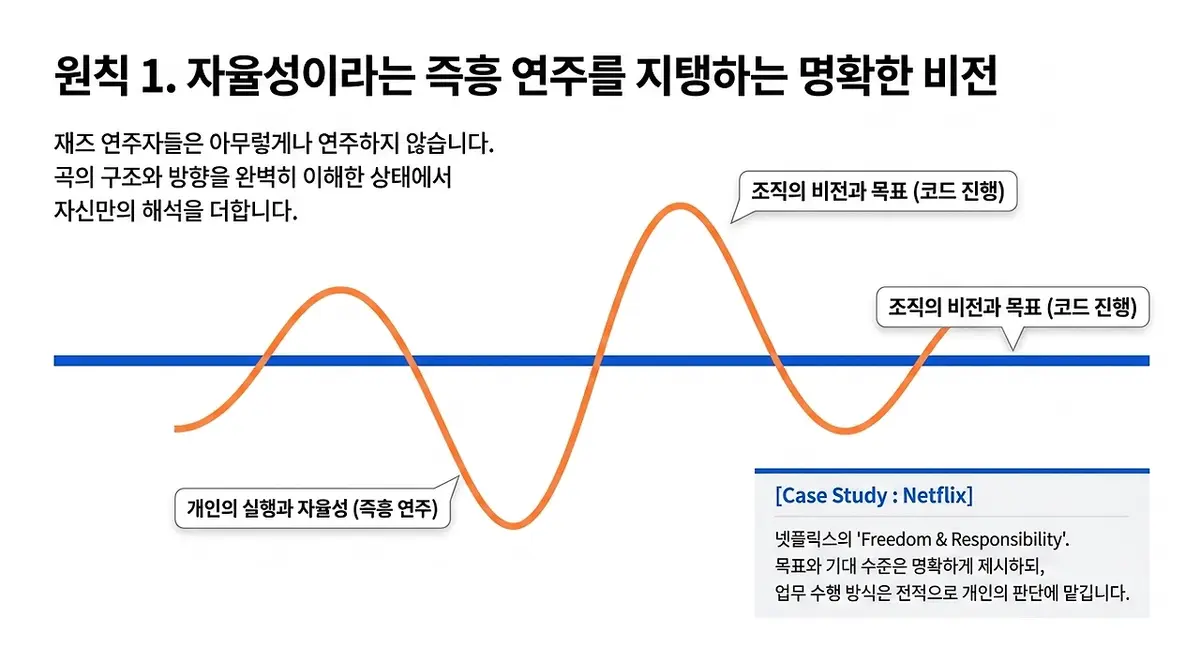
Jazz and startups both thrive on uncertainty. Lessons from Netflix, Slack, and Instagram show how jazz band management builds trust-based, adaptive teams.

Reddit Ads Manager is adding a campaign planner that forecasts reach and cost, a 0–100% optimization score and automatic budget shifting. Advertisers scoring 80%+ saw 19.6% lower blended CPA.