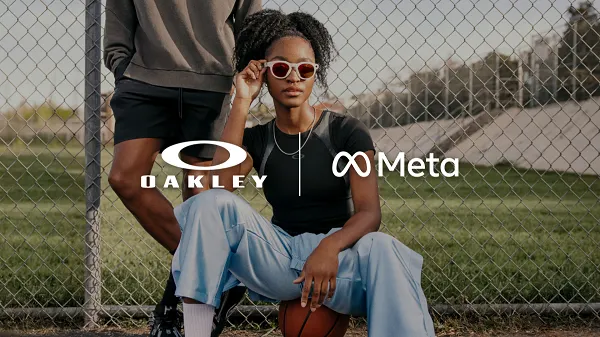
Meta and Snapchat both see AI-powered smart glasses as the next major consumer device category and are investing heavily. But rising privacy concerns and negative public sentiment are threatening to derail that growth strategy before it fully takes off.
The privacy problem at the center of the AI glasses backlash
Privacy is the crux of the controversy around Meta's AI glasses. Some users have reportedly paid hackers to disable the recording indicator light so they can film covertly, and reports of so-called "Meta Ray-Ban creeps" — people filming others without consent — have surfaced. UK regulators opened an investigation after it emerged that an outside contractor had reviewed private footage captured by the glasses, including bathroom scenes and sexual content. Concerns have intensified further with reports that Meta is exploring an always-on recording mode without the indicator light, along with facial recognition capability.
Sales are up, but stigma is catching up
Here's the paradox: since rebranding as "Meta AI Glasses" in 2025, unit sales have tripled. Yet negative sentiment is now threatening that momentum. The product has picked up the nickname "pervert glasses," and users report feeling embarrassed wearing them in public. Pop star Lorde publicly weighed in: "Don't buy those glasses. Not sexy."
Snapchat's Specs face their own headwinds
Snapchat's AR Specs haven't fared much better. The launch event drew a lukewarm response, and the oversized frames drew heavy criticism — a photo of the CEO demoing the product, ears visibly folded under the glasses' weight, became a target of mockery. The roughly $2,000 price tag is another barrier to entry. Regulation is tightening too: New York State has banned camera-equipped glasses in all courthouses. This all echoes Google Glass, which was discontinued after two years due to its $1,500 price, social stigma, and bans in specific venues. Even one Meta AI executive admitted current tools aren't "overwhelmingly better," hinting at broader consumer skepticism toward AI.
What marketers should take from this
This case shows that social acceptance, not technical performance, is the real bottleneck for product adoption. Rising unit sales look like a success signal on paper, but a stigma like "pervert glasses" combined with celebrity pushback can flip brand perception almost overnight. Privacy, in particular, sits at the collision point between one user's convenience and the discomfort of everyone around them — meaning the wearer's own experience matters less than how bystanders feel, and that's what ultimately shapes brand reputation.
For anyone marketing wearables or AI hardware, prioritizing trust and social-norm design over feature messaging is essential. Put safety mechanisms like the recording indicator front and center in your messaging, respond to misuse cases quickly and transparently, and manage sentiment before mockery hardens into a meme. The lesson: for any emerging tech product, "what it can do" matters as much as "whether society is ready to accept it."
If your brand is navigating how to launch or reposition an emerging tech product, Best Partner's services can help with go-to-market messaging, or get in touch to discuss your launch strategy.