Snapchat is expanding its focus on lead generation through a new integration with HubSpot, a partnership aimed at helping brands engage incremental Gen Z and millennial consumers on the messaging app.
The tie-up with the CRM platform lets Snapchat advertisers roll out native lead generation campaigns more easily and automatically connect leads into HubSpot's ecosystem to support long-term customer relationship management.
Adrian Mulryan, Snap's vice president of global agency and strategic accounts, said:
"We've been an underrated platform for generating leads, but Snapchat reaches a highly engaged, high-intent audience."
How it works
- Snapchat advertisers can create a native lead generation campaign in just a few clicks
- Leads engaged through those efforts connect directly into existing HubSpot lists and sales pipelines via an API
- Snapchat lead form fields map onto HubSpot properties, easing the handoff from marketing to sales
"It simplifies the path from lead capture to lead management." — Mulryan
Signals flow back through the Conversions API
This is the substantive part.
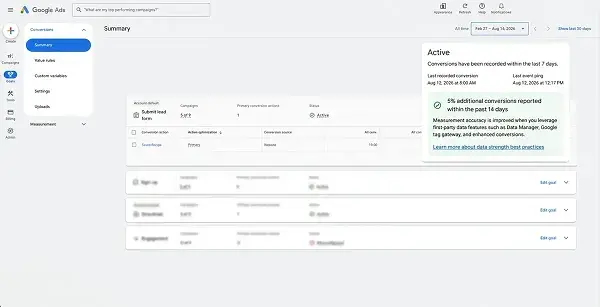
A Conversions API sends conversion events tracked in HubSpot workflows back to Snapchat, so advertisers can better understand lower-funnel actions tied to the leads their campaigns generate and get a potentially clearer picture of return on ad spend.
In other words, the ad platform learns not just how many lead forms were submitted but how far those leads actually travelled in the pipeline. That changes the quality of the optimisation signal.
HubSpot Vice President of Product Angela DeFranco said:
"With this integration, HubSpot customers can connect what happens on Snapchat to what happens in their pipeline, and send real conversion signals back to Snapchat so teams have a clearer picture of what's driving results. That's the kind of context that makes marketing more effective over time."
Sharpening the performance focus
An app known for ephemeral messaging, Snapchat has offered lead generation ad products for nearly a decade but has been refining its performance marketing pitch to attract a wider set of marketers.
Per figures shared by the company, Snapchat's native lead generation ads increased click-through rates by 77% in January 2026 compared with the year-ago period, while cost per lead declined 26%.
"What we have been demonstrating over the last year or so is [that] we're truly a full-funnel platform which can drive business outcomes at scale and help marketers reach their brand or performance objectives." — Mulryan
"I feel that we had a value prop for a subset of clients, and now I think we've got a value prop for the entire marketplace."
The open question
While its lower-funnel tooling improves, Snapchat faces sharper questions about long-term strategy as it pursues fresh revenue streams — including a bigger bet on pricey hardware that has stoked some investor skepticism.
On advertising, the aim is making Snapchat more "interoperable, measurable and useful" for brands, according to Mulryan, whose remit expanded to include striking partnerships like this one.
Snapchat is trying to align itself more closely with the platforms its agency and brand clients already use regularly, making it easier to spend and scale on its service.
"A lot of feedback we had in Cannes [from clients] was we weren't sure what Snapchat is today. We're trying to meet our clients where they are." — Mulryan
What marketers should weigh
Put lead quality inside the measurement. A 26% drop in cost per lead is a good number, but meaningless without knowing how far those leads travel. That is the real value of the Conversions API link.
Treat signal return as an optimisation prerequisite. Targeting only improves once the platform learns lower-funnel outcomes. Enabling the integration without defining conversion events in the workflow means no signal flows.
Separate channel CAC from blended CAC. Where Snapchat contributes between awareness and lead is hard to judge on channel-level metrics alone — a distinction covered in Attribution vs. Incrementality and How SEO Lowers Blended CAC.
Judge audience fit first. Without confirming that Gen Z and millennial leads hold actual purchasing authority in your category, a cheap lead becomes a lead that never converts.