When organic dries up, publishers buy the traffic back
As AI search and zero-click behavior cut into organic referrals, news publishers are turning to Google search ads to rebuild traffic. Paid search spend by the top 100 media companies reached $113 million in July, a 41% increase year over year.
Zero-click describes the pattern where users get their answer on the results page and never click through. As AI-generated answers take over the summarizing role, the reason to click a link erodes — and the result arrives as an ad invoice.
Forbes spent $72.2M; The New York Times doubled its spend
Forbes spent $72.2 million on search advertising. The New York Times spent $11.3 million, double its prior-year figure.
Even so, organic traffic at Forbes, CNN, and USA Today each fell by more than 20%. The purchased traffic did not replace what was lost.
Commercial keywords, high-value users
Publishers are concentrating on commercial keywords in insurance, pharmaceuticals, and finance to acquire high-value users. Only categories with meaningful revenue per click — affiliate commissions, subscription conversions — can absorb the CPCs these auctions now carry.
The loop
The structural problem is where the money ends up. Google is identified as the cause of the traffic decline, and the ad budget spent to win that traffic back also goes to Google. Intensifying competition and rising CPCs feed the same revenue line.
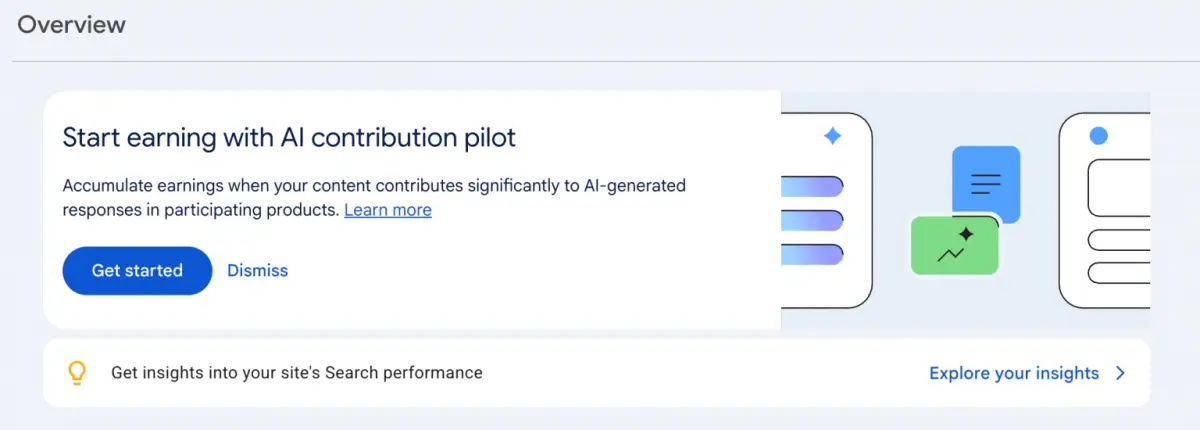
There are signals Google is aware of the dynamic. A pilot paying for content cited in AI answers is documented in Google Tests Paying Publishers When Their Content Powers AI Mode, AI Overviews and Gemini. Whether pilot-stage compensation can offset a 41% spend increase is an open question.
What this means beyond publishing
This is a publisher story, but it applies to any organization that built acquisition on content.
Papering over organic decline with ads changes your cost structure
Paid search works immediately and stops working immediately. Filling an organic hole with ads holds traffic flat while converting a variable asset into a fixed cost. Reporting that swap as a recovery makes it nearly impossible to unwind at the next budget cycle.
Optimize for citation, not only for clicks
In a zero-click environment, session count alone is an insufficient content KPI. Whether the content is cited in AI answers, whether the brand is named alongside it, and whether that exposure returns as direct traffic or branded search volume all need separate measurement.